TL;DR
A comprehensive 20-year study reveals that climate change is transforming Biscayne Bay into a warmer, saltier, and more acidic environment, endangering South Florida's ecosystems and water resources.
The Impact of Climate Change on Biscayne Bay
If you’ve ever gazed at the sparkling waters of Biscayne Bay, you may have felt a sense of tranquility. But beneath that beauty, significant changes are underway. A major study spanning two decades has provided alarming insights into how climate change is reshaping this crucial marine ecosystem in South Florida. Researchers have been monitoring various water quality factors since 2001, and what they’ve found could call into question the future of the bay's delicate balance.
The Big Findings: Warmer, Saltier, and More Acidic
Researchers analyzed data collected from 34 monitoring stations around Biscayne Bay, documenting changes in temperature, salinity, dissolved oxygen, and pH levels. The findings show that the bay's waters are becoming:
Warmer
Increased temperatures can have a cascading effect on marine life. Warmer waters can lead to coral bleaching, disrupt the food chain, and encourage the proliferation of harmful algal blooms. With every passing summer, Biscayne Bay's creatures are adjusting to these new, heat-stressed conditions.
Saltier
With sea level rise thanks to climate change, seawater is making its way into freshwater aquifers, increasing salinity levels. This saltwater intrusion threatens the delicate balance that supports both marine and freshwater ecosystems. For a region relying heavily on freshwater for drinking and agriculture, this shift poses serious challenges.
More Acidic
Ocean acidification is no longer a theoretical issue; it's a reality affecting Biscayne Bay. Changes in pH levels impact everything from seagrass meadows to the tiny creatures that underpin the marine food web. This acidity affects shellfish and can lead to reduced biodiversity, which is critical for a healthy ecosystem.
Why This Matters for Ecosystems and Communities
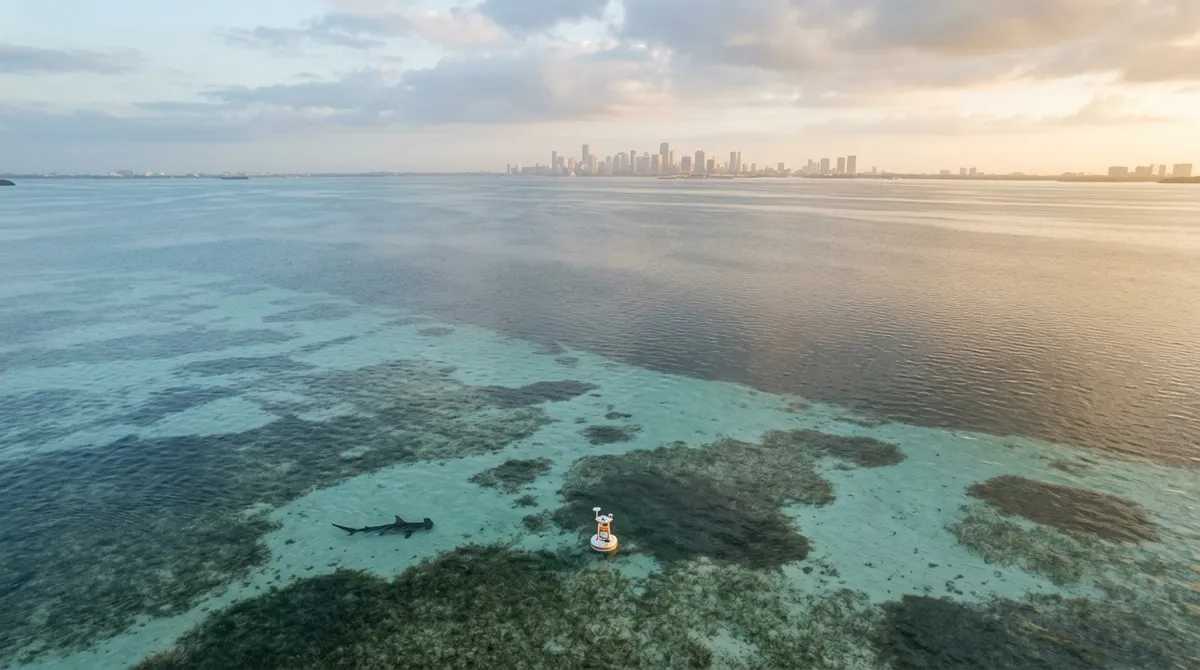
Biscayne Bay is not just a pretty postcard; it’s an economic lifeblood for South Florida. The bay supports fisheries, tourism, and important wildlife habitats, including nursery grounds for endangered species like the great hammerhead shark. The documented chemical changes pose urgent risks to:
Coastal Resilience
With ecosystems under stress, Biscayne Bay is increasingly vulnerable to further climate impacts. Healthy seagrass and coral reefs serve as natural buffers against storms and erosion. The loss of these habitats compromises not just marine life but also human communities that rely on them for protection.
Water Resources
Saltwater intrusion raises concerns about the availability of freshwater. For residents and businesses in South Florida, this change could mean stricter water use regulations, increased costs, and a potential drop in water quality.
What Can Be Done?
Awareness is the first step. Here’s how communities and policymakers can take action:
- Conservation Efforts: Promote initiatives that restore and protect natural habitats, like seagrass beds and mangroves.
- Environmental Education: Foster a deeper understanding of local ecosystems and the impacts of climate change.
- Sustainable Policies: Implement and enforce policies aimed at reducing carbon emissions and safeguarding water resources.
Coral Reefs and Seagrass: A Fragile Connection
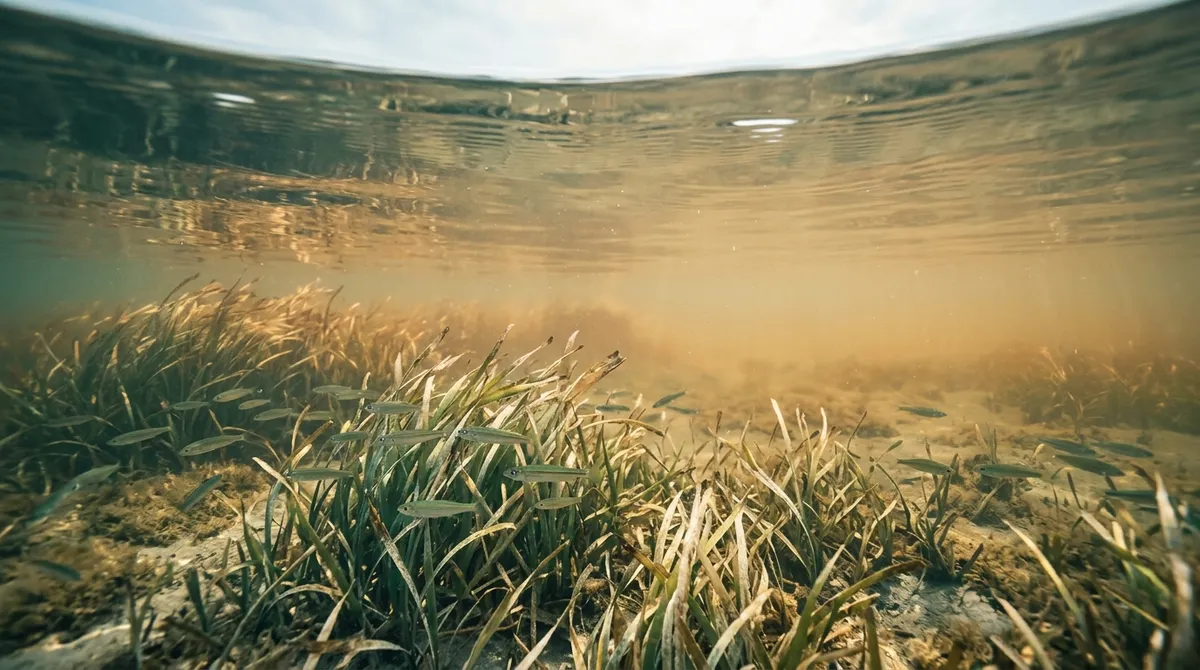
Seagrass ecosystems are critical habitats that support numerous marine species. However, increased acidity and temperature stress can severely damage these beds, threatening the food chain reliant on them. Alongside coral reefs, these ecosystems act like the lungs of the bay—filtering pollutants and producing oxygen but struggling to survive amid rising temperatures.
Shark Nursery: A Critical Habitat Under Threat
Biscayne Bay also serves as a nursery for young sharks and other species. Climate-induced changes could prevent these vital areas from providing the safe haven that juvenile fish need to grow and thrive. As these species diminish, it disrupts the entire marine ecosystem and local fishing industries.
Conclusion: The Call to Action
The findings from this extensive study serve as a crucial reminder: the effects of climate change are not distant threats but immediate challenges confronting communities and ecosystems like Biscayne Bay. Urgent actions are necessary to mitigate these impacts, ensuring that the beauty and resourcefulness of this unique environment can be preserved for generations to come.
Stay informed, stay engaged, and be part of the solution to protect Biscayne Bay and our planet.