TL;DR
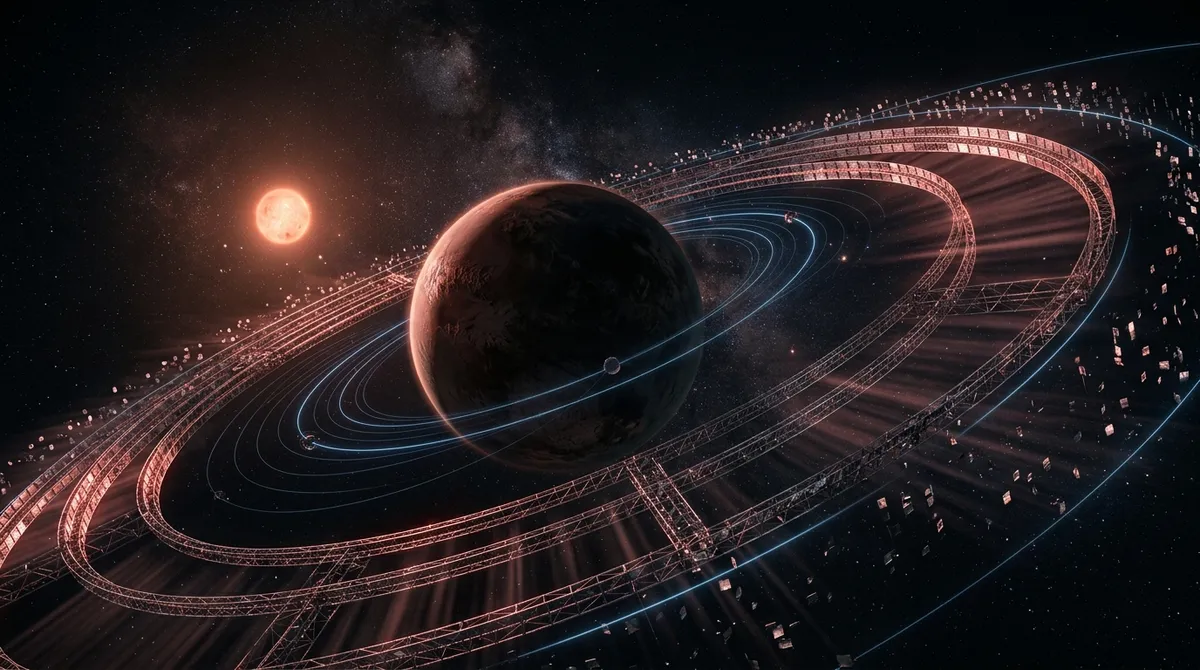
Recent studies reveal that giant mirrors placed around exoplanets could be stable in certain orbital configurations, providing insights into potential alien megastructures. Understanding these principles is vital for astronomers hunting for technosignatures.
The Allure of Alien Megastructures
When you think of extraterrestrial civilizations, your mind may wander to UFO sightings or ideas from science fiction books. But what if there are real megastructures orbiting distant stars? In the realm of astrobiology and astronomy, one captivating concept is that of giant mirrors built by alien civilizations. These mirrors could serve various purposes, from energy collection to climate engineering on tidally locked planets. But how feasible are they? Let’s venture into the world of orbital mechanics to find out.
The Role of Radiation Pressure
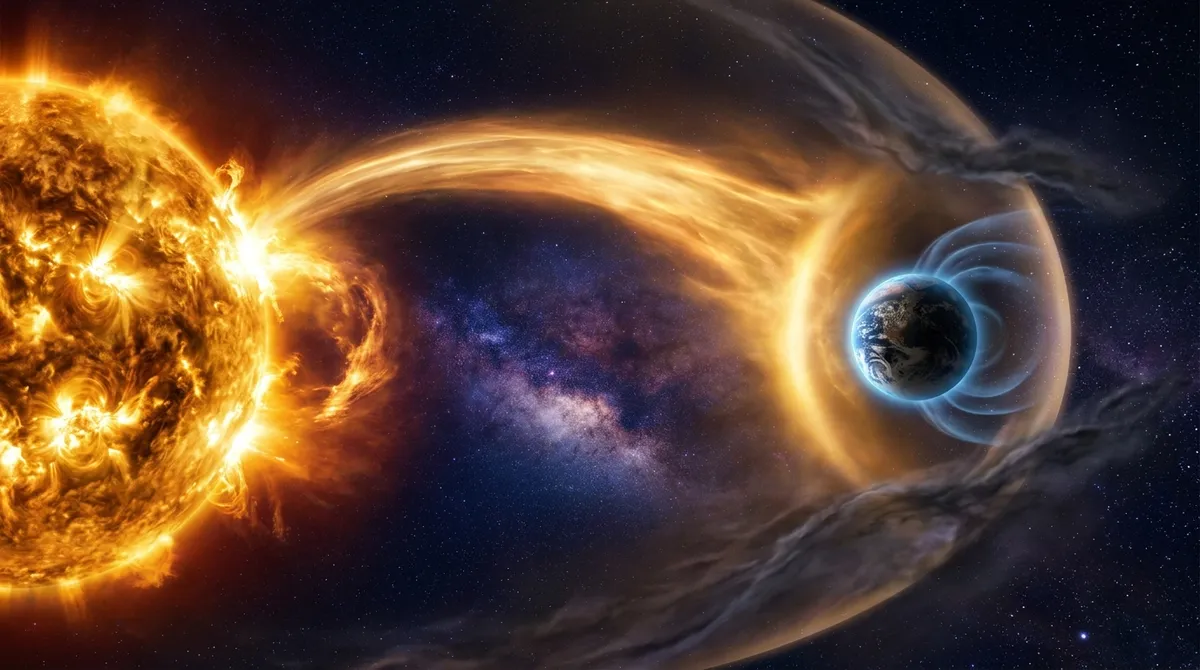
One of the significant challenges in the concept of giant mirrors is the phenomenon of radiation pressure. This concept explains how sunlight exerts a force on objects in space. While this light-push helps propel solar sails, it can also destabilize large reflective structures if not carefully managed. Scientists have been exploring the dynamics of these mirrors to understand how they can be kept in orbit without succumbing to solar radiation.
The Impact of Orbital Configuration
The latest findings suggest that the stability of these massive mirrors isn't just a matter of technology and materials but also heavily dependent on their orbital configuration. Mirrors placed around low-mass M-dwarf stars—those cooler and smaller stars that populate our universe—show promising results.
Retrograde and Close Orbits
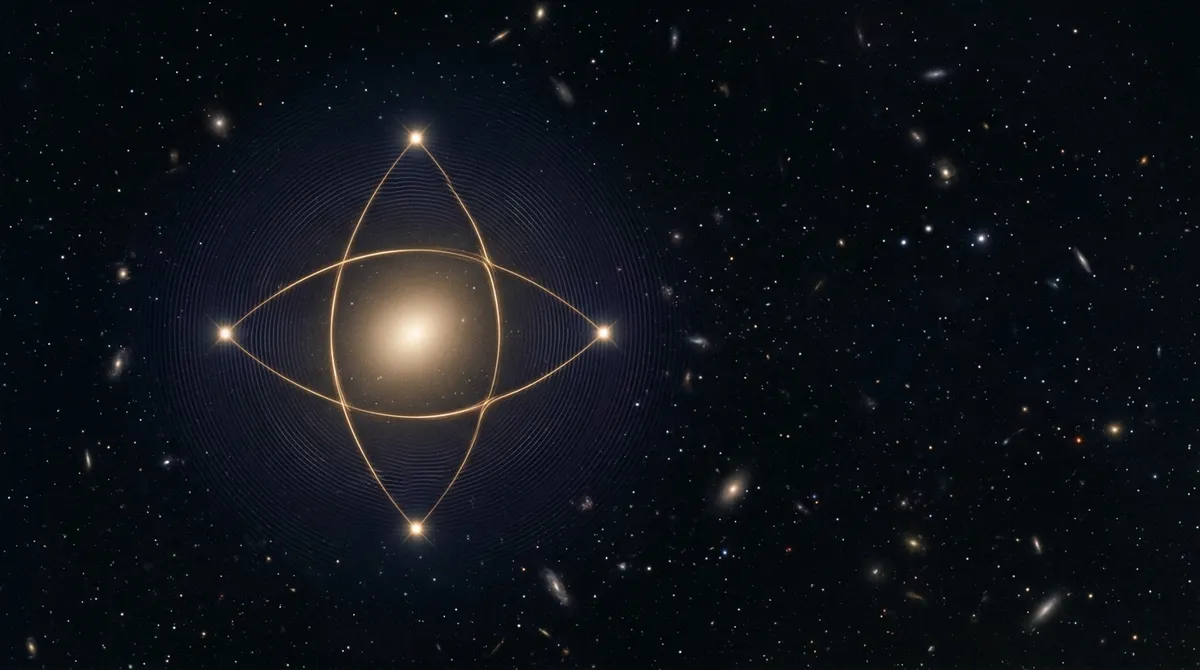
Interestingly, orbits that are close to their planets or retrograde (moving in the opposite direction of a planet's rotation) appear to be more stable. This is because the gravitational forces from the planet can counteract the photon “push” exerted by the star's light, creating a delicate balance that keeps these hypothetical structures intact.
Looking Ahead: Telescopes and Technosignatures
As astronomers gear up to deploy next-generation telescopes aimed at searching for technosignatures—the evidence of advanced civilizations—we need to better understand what these alien megastructures might look like. Research into orbital mechanics not only fuels our imagination but equips scientists with the knowledge needed to develop instruments that could detect signs of such structures in distant solar systems. These telescopes will be on the lookout for unusual light patterns or types of reflections that could hint at the presence of giant mirrors around exoplanets.
Beyond Speculation: The Reality of Building Mirrors
While the idea of large mirrors in space is exciting, it’s essential to recognize the challenges they present. Simply placing reflective panels in orbit isn’t as straightforward as it sounds. Factors like the material’s durability under constant exposure to radiation and the precision required in their positioning play crucial roles. This research bridges the gap between imaginative science and the stringent laws of physics, revealing that reality often strays far from science fiction.
The Future of Space Exploration
Understanding the principles behind these giant mirrors opens a new frontier in space exploration. It raises intriguing questions about the existence of alien life and the lengths they might go to in order to adapt their environments for survival. As we develop technology that allows us to peer deeper into the cosmos, these insights will be invaluable. After all, the more we learn about the physics of orbital mechanics, the better equipped we’ll be to discover—and perhaps one day meet—our galactic neighbors.
Conclusion
The physics of giant mirrors in space isn't merely a theoretical curiosity; it has the potential to redefine our search for extraterrestrial intelligence. As we venture further into the uncharted territories of the universe, fueled by curiosity and the desire to understand our place among the stars, concepts like these remind us of the infinite possibilities that await us. So next time you gaze up at the stars, ponder the mysteries they hold—not just for us, but perhaps for others out there in the vast expanse of space.