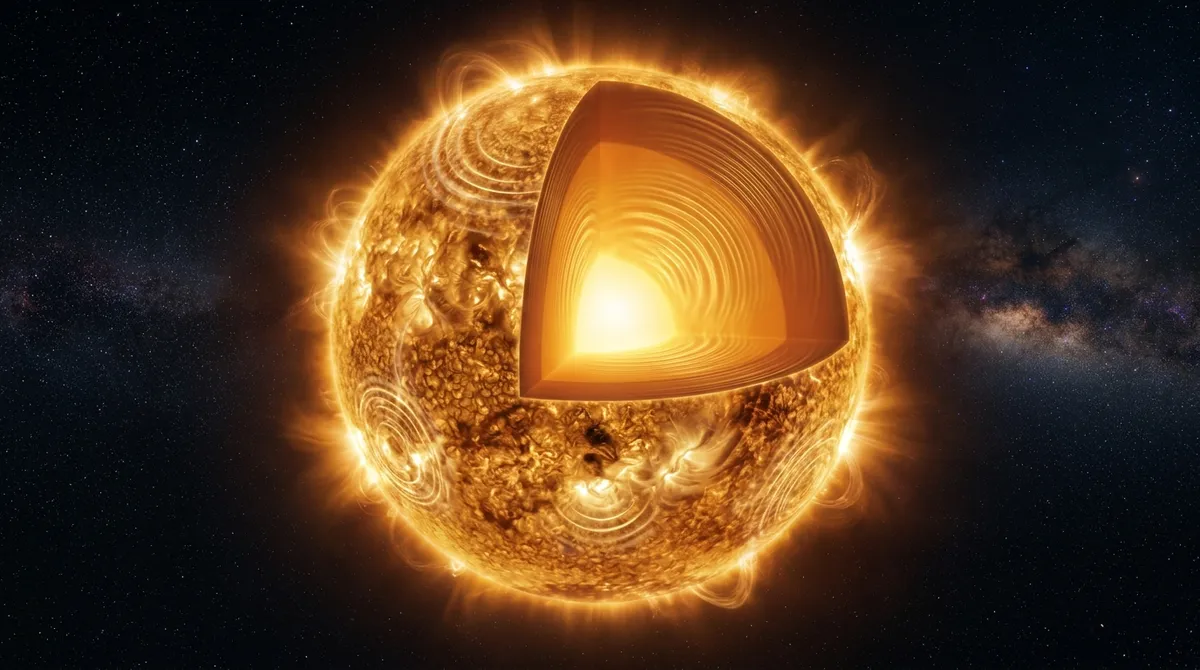
Scientists Discover Hidden Solar Changes Through Sound Waves
Scientists have uncovered previously hidden changes in the sun's behavior by literally listening to our nearest star, according to a new helioseismology study. The research reveals that the sun's magnetic activity appears to be shifting closer to the surface across recent 11-year solar cycles, potentially changing how we understand and predict space weather.
Using nearly 40 years of data from the Birmingham Solar-Oscillations Network (BiSON), researchers argue that traditional measures like sunspot counts and solar flares may be missing deeper changes occurring within the sun's interior.
The Sun's Hidden Rhythm Becomes 'Skin-Deep'
The study found that internal changes due to the sun's "active biorhythm" have become increasingly "skin-deep" over the past four solar activity cycles. This shift suggests that the magnetic processes driving solar activity are migrating toward the sun's surface, according to reports.
Helioseismology works by detecting sound waves that travel through the sun's interior, much like how seismologists study earthquakes by analyzing waves moving through Earth. These solar sound waves reveal internal conditions that remain invisible to traditional solar observation methods.
Solar Cycle 25 Shows Unusual Internal Signatures
The findings are particularly relevant for understanding Solar Cycle 25, which is currently underway. According to the research, this cycle is showing unusual internal signatures even when surface indicators appear weaker than expected. This discrepancy raises important questions about how reliably scientists can forecast space weather using conventional methods.
The sun follows an approximately 11-year cycle of magnetic activity, alternating between periods of high and low solar activity. During active periods, increased solar storms and coronal mass ejections can significantly impact Earth's technological infrastructure.
Implications for Space Weather Forecasting
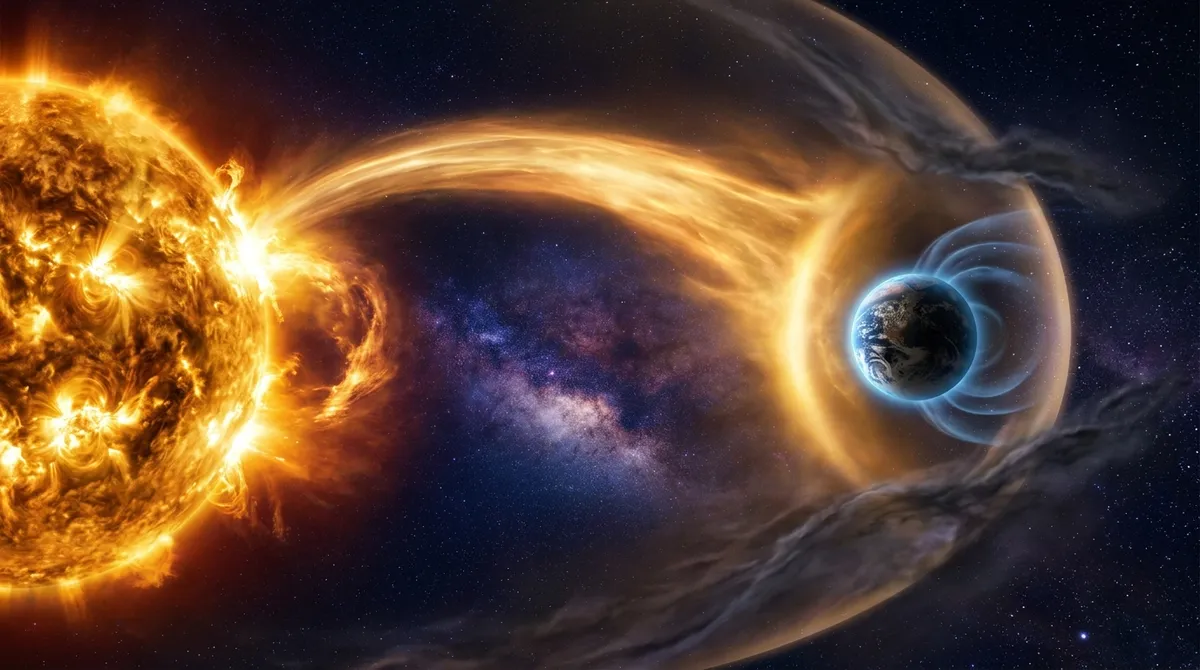
These hidden solar changes could have significant implications for predicting space weather events that threaten modern technology. Solar storms can disrupt satellite operations, GPS navigation systems, radio communications, and even power grids on Earth.
The research suggests that Solar Cycle 25 may actually be stronger than surface observations indicate, potentially catching forecasters off guard. This disconnect between internal solar activity and visible surface phenomena could lead to unexpected space weather events.
Technology at Risk from Solar Activity
Understanding these deeper solar changes matters increasingly as society becomes more dependent on space-based and electronic technologies. Satellites are particularly vulnerable to solar radiation and charged particles ejected during solar storms. GPS systems can experience accuracy problems during periods of high solar activity, affecting everything from navigation apps to precision agriculture.
Communications systems, especially those relying on radio waves, can also face significant disruption during major solar events. Perhaps most concerning, severe solar storms have the potential to damage electrical power grids, potentially causing widespread blackouts.
A New Window Into Solar Physics
The helioseismology approach offers a fresh perspective on solar physics by providing insights into the sun's interior structure and dynamics. While traditional solar observation focuses on surface phenomena like sunspots and solar flares, sound-wave analysis reveals the hidden mechanisms driving these visible effects.
This "listening" technique allows scientists to peer inside the sun and track how magnetic fields and plasma flows change over time. The method has revealed that the location and intensity of magnetic activity within the sun may be evolving in ways not captured by surface measurements.
Future Research Directions
The findings from nearly four decades of BiSON data suggest that scientists may need to reconsider how they monitor and predict solar activity. Traditional methods focusing on surface phenomena may need to be supplemented with helioseismology data to provide more accurate space weather forecasts.
As Solar Cycle 25 continues to unfold, researchers will be watching closely to see whether the internal changes detected through helioseismology translate into unexpected surface activity. This research could fundamentally change how we understand the sun's 11-year cycle and improve our ability to protect technological infrastructure from solar storms.
The study represents a significant step forward in solar physics, demonstrating how innovative observation techniques can reveal hidden aspects of our nearest star's behavior that have direct implications for life on Earth.