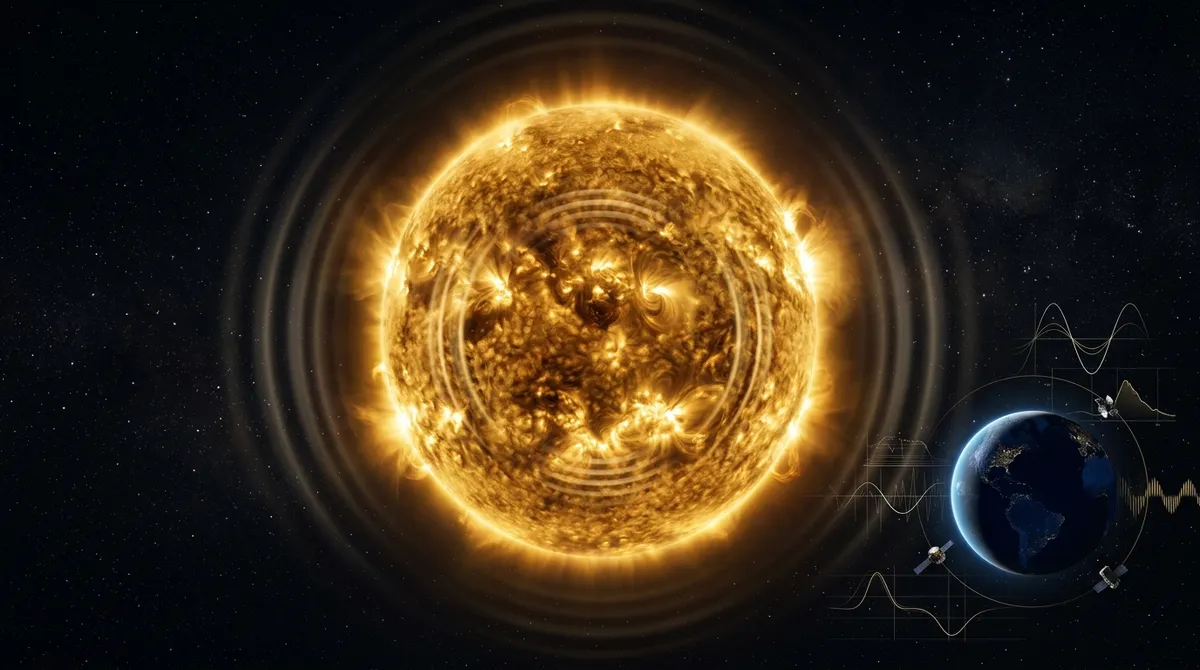
Sound Waves Reveal Solar Secrets
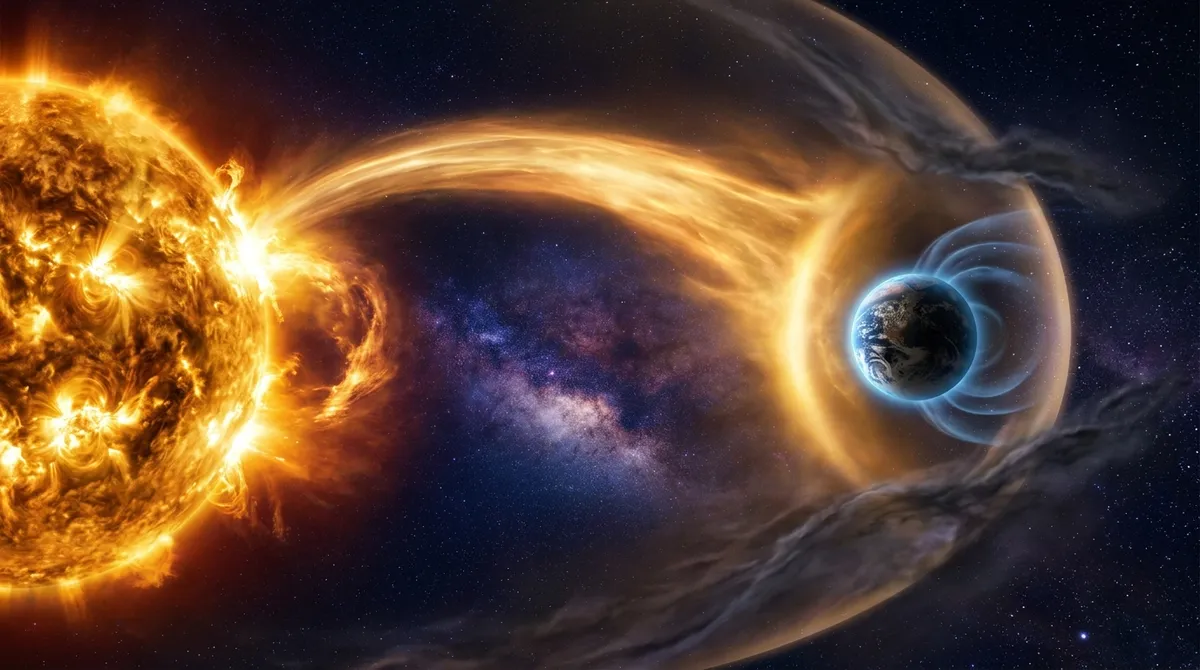
Scientists have developed a revolutionary way to "listen" to the sun using sound waves, and what they're hearing suggests our nearest star is undergoing significant changes that traditional monitoring methods might be missing. A new helioseismology study has uncovered evidence that the sun's magnetic activity is gradually shifting closer to its surface across recent 11-year solar cycles.
Using nearly 40 years of data from the Birmingham Solar-Oscillations Network (BiSON), researchers have identified what they describe as increasingly "skin-deep" changes in the sun's internal behavior. This discovery challenges conventional wisdom about how we monitor and predict solar activity, particularly as we navigate Solar Cycle 25.
Beyond Sunspots: A New Window Into Solar Behavior
Traditionally, scientists have relied on visible indicators like sunspots and solar flares to gauge the sun's activity levels. However, according to reports, these surface measurements may be missing deeper, more fundamental changes occurring within our star's interior.
Helioseismology works by detecting and analyzing sound waves that travel through the sun's interior, much like how seismologists study Earth's internal structure through earthquake waves. These solar oscillations provide a unique glimpse into processes happening beneath the sun's visible surface, revealing patterns that surface observations alone cannot detect.
The research suggests that internal changes due to the sun's "active biorhythm" have become increasingly concentrated near the surface over the past four solar activity cycles. This shift could fundamentally alter how we understand and predict solar behavior.
Solar Cycle 25: Stronger Than It Appears?
Perhaps most intriguingly, the study indicates that Solar Cycle 25 is showing unusual internal signatures even when surface indicators appear relatively weak. This discrepancy raises important questions about the reliability of current space weather forecasting methods.
According to reports, the sun's magnetic activity patterns detected through helioseismology suggest that Solar Cycle 25 may actually be more active than traditional sunspot and flare measurements indicate. This hidden strength could have significant implications for space weather predictions and our preparedness for solar storms.
Technology Under Threat: Why Solar Changes Matter
Understanding these hidden solar changes isn't just an academic exercise—it has real-world implications for modern technology. Solar storms and space weather events can pose serious threats to satellites, GPS systems, communications networks, and power grids. As our society becomes increasingly dependent on these technologies, accurate solar forecasting becomes ever more critical.
The research suggests that current forecasting models, which rely heavily on surface observations, may be missing crucial information about the sun's true activity levels. This knowledge gap could leave us less prepared for potentially damaging space weather events.
The Sun's 11-Year Heartbeat
The sun follows an approximately 11-year cycle of magnetic activity, during which its magnetic field completely flips and solar activity waxes and wanes. Understanding this cycle is crucial for predicting space weather and protecting Earth-based technology.
By "listening" to the sun through helioseismology, scientists can now track changes in this cycle that weren't previously detectable. The sound wave analysis reveals how magnetic activity patterns evolve deep within the sun's interior, providing a more complete picture of solar behavior.
Looking Forward: Implications for Space Weather Science
This breakthrough in solar observation techniques could revolutionize how we monitor and predict space weather. According to reports, the findings argue that traditional sunspot and flare measures may be insufficient for understanding the sun's complete behavior profile.
As researchers continue to analyze decades of helioseismology data, they're building a more nuanced understanding of how the sun's internal dynamics influence its external manifestations. This knowledge could lead to more accurate space weather forecasts and better protection for critical infrastructure.
The study represents a significant step forward in our ability to understand and predict solar activity, potentially improving our resilience against space weather threats while advancing our fundamental knowledge of stellar physics. As we continue to "listen" to the sun, each sound wave brings us closer to unlocking the mysteries of our nearest star's complex behavior.