
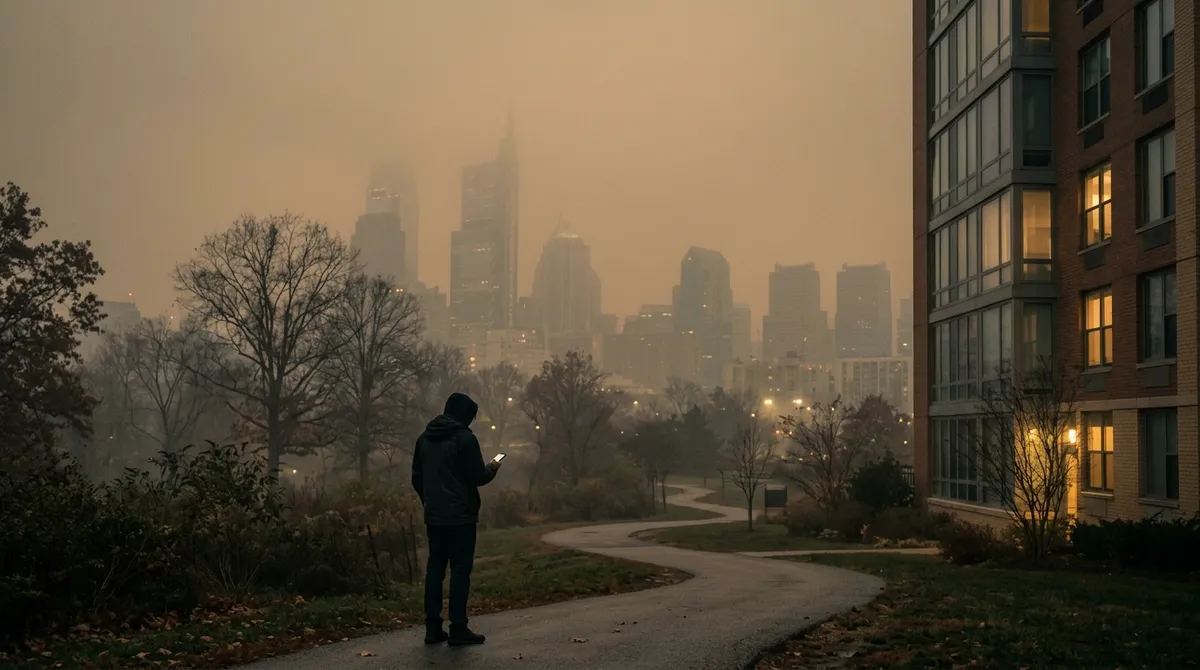
As thick wildfire smoke drifts down into the Mid-Atlantic and beyond, understanding air quality and its impact on your health is crucial. Reports from The Washington Post highlight the lingering smoke over the Mid-Atlantic, while Times Union indicates that air quality in the Albany area has taken a hit. NBC News notes that smoke from Canadian and Minnesota wildfires has reached as far as Washington, D.C., resulting in significant haze. With search traffic for "Canada wildfires air quality" rising above 10,000, it's clear that people are keen to understand how this smoke affects daily life. Here’s a straightforward guide to navigating air quality during these challenging conditions.
What Is the Air Quality Index (AQI)?
The Air Quality Index (AQI) is a valuable tool for gauging air pollution levels. It ranges from 0 to 500, providing a quick understanding of health impacts based on current air conditions. Here are the general categories of AQI:
- 0-50: Good (green)
- 51-100: Moderate (yellow)
- 101-150: Unhealthy for sensitive groups (orange)
- 151-200: Unhealthy (red)
- 201-300: Very Unhealthy (purple)
- 301-500: Hazardous (maroon)
With the current wildfire smoke affecting the air, you may see higher AQI levels categorized as unhealthy.
Checking Local Air Quality
Staying informed about local air quality is crucial during wildfire smoke events. Here are a few resources you can use:
- AirNow: This website provides real-time AQI readings for your location. You can enter your zip code to receive specific air quality data.
- Local Health Departments: Many local health departments monitor air quality and provide updates on smoke conditions.
- Weather Apps: Some weather applications offer AQI readings, making it convenient to check air quality alongside typical weather forecasts.
When to Limit Outdoor Activities
During high AQI days, especially when it reaches the unhealthy levels (151+), it’s wise to limit outdoor activities. Here are some practical steps:
- Stay Indoors: Keep windows closed to minimize smoke entering your home.
- Avoid Strenuous Exercise: Outdoor exercise can significantly elevate your inhalation of harmful particles, so opt for indoor workouts when possible.
- Use HEPA Filters: If you have an air purifier, running it can help reduce indoor particle levels.
Simple Indoor Air Steps
To maintain good indoor air quality during wildfire smoke days:
- Ventilation: If conditions improve, ventilate your home to circulate fresh air. However, during heavy smoke, keep windows and doors shut.
- Monitor the AQI: Use the resources mentioned to keep a close watch on changing air quality.
- Use Air Conditioning: If you have AC, running it can help filter out smoke particles.
Additional Health Tips
If you or your family members are particularly sensitive to smoke—such as those with asthma or other respiratory conditions—consider the following:
- Stay informed about your health: Keep in touch with a healthcare provider if smoke is expected to be pervasive in your area.
- Have a plan: Understand the action steps to take if air quality worsens or health issues arise.
As wildfire smoke continues to impact air quality across parts of the Mid-Atlantic and other regions, being proactive can help keep you and your loved ones safe. Stay informed, check air quality regularly, and adjust your activities accordingly to minimize exposure.
Take Charge of Your Health Today
Use the tools available to you to stay informed about air quality during wildfire days. Prioritize your health by limiting outdoor activities when necessary and maintaining clean indoor air conditions. Your health is your priority, and being aware makes all the difference!