Sharks and rays, some of the ocean's most magnificent creatures, are on the move, and new research underscores that conserving these species requires a global effort. A study conducted by the University of Queensland reveals that more than three decades of tracking data show how several shark species migrate across international borders. This data points to the urgent need for collaborative conservation strategies that extend beyond national jurisdiction to ensure the survival of these at-risk species.
The Importance of Migration Understanding
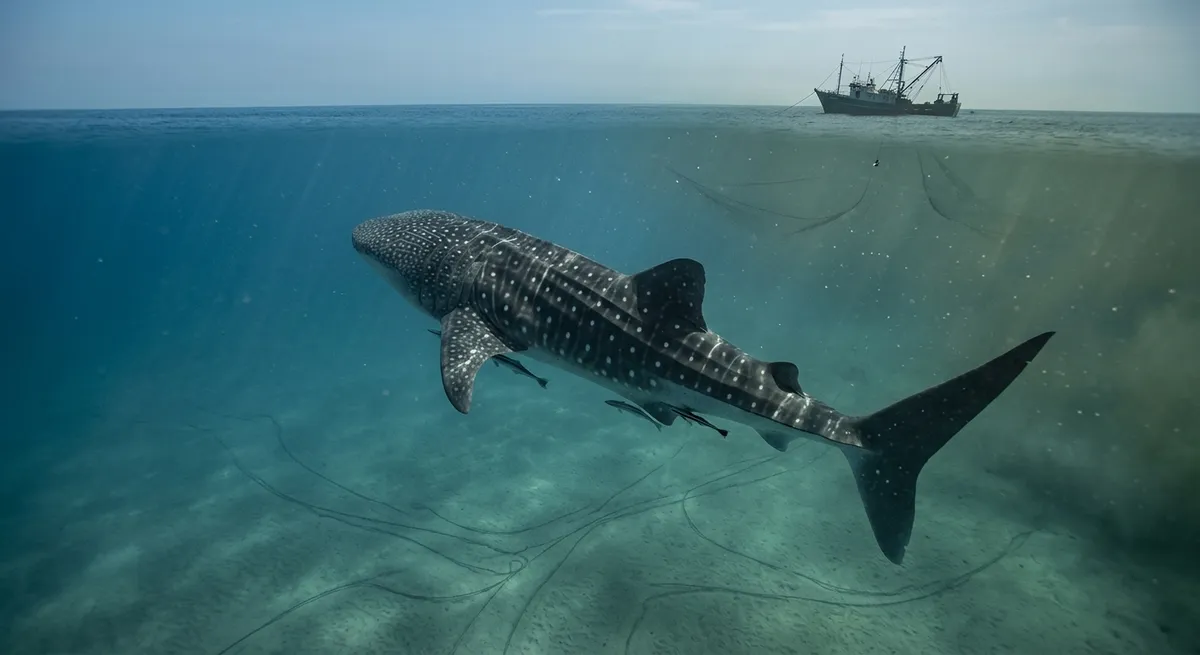
The study highlights species like whale sharks, blue sharks, shortfin makos, school sharks, and white sharks, which traverse vast oceanic distances. These migration routes are complex and do not follow geopolitical boundaries; thus, conservation measures taken by one country may be rendered ineffective if neighboring regions lack similar protections. For instance, a whale shark traveling from Australian waters may find itself in regions where fishing practices are less regulated, significantly impacting its survival.
The pressure on these creatures is rising due to various factors, including overfishing and bycatch, which often excludes them from having a fighting chance. What’s more, there are substantial data gaps regarding their migratory patterns that hinder policymakers’ and conservationists’ abilities to implement effective strategies.
International Engagement: A Must
With conservation efforts historically focused within national borders, many species are left vulnerable due to inconsistent protections. Countries must collaborate to create a unified approach to shark conservation that addresses their migratory habits. Because sharks and rays thrive in international waters, tackling their conservation challenges requires coordination among multiple nations.
Areas like the Coral Sea, rich in biodiversity and essential to sharks’ life cycles, need concerted protection efforts that involve Australia and its regional neighbors. Only through collective action can countries ensure that conservation measures, such as fishing bans during breeding seasons and protected marine areas, are implemented effectively across shared migration routes.
Technological Advances for Tracking
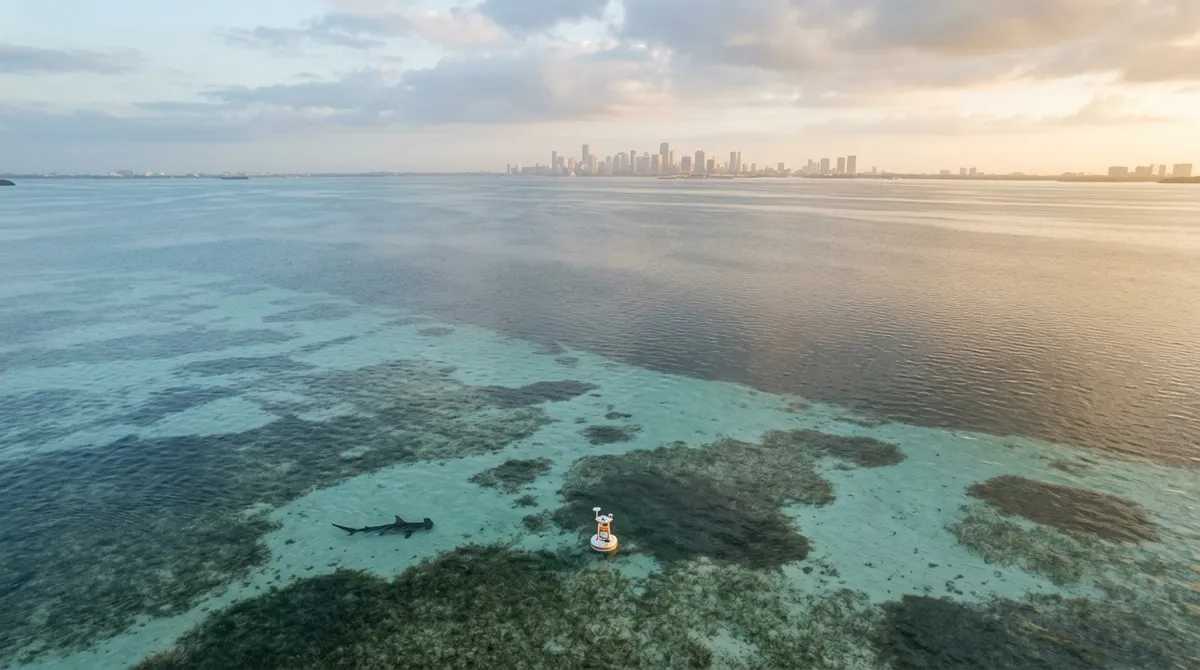
Another significant barrier to comprehensive conservation is the challenge of tracking shark movements compared to other species, like birds or whales. The ocean’s vastness and the sharks’ erratic behaviors complicate the data collection processes that researchers rely on. However, recent advancements in tracking technology and marine monitoring systems present opportunities to gather better data and track these species more effectively.
By utilizing satellite tagging and other modern tracking techniques, scientists can now map out those elusive migration routes more accurately. Enhanced tracking leads to greater understanding, which can, in turn, inform better conservation policies and international agreements.
Conclusion
As the research from the University of Queensland indicates, shark conservation cannot be confined to individual nations. It will take an international collaborative effort, better data, and technological advancements to improve the scope and effectiveness of conservation policies. Protecting these sharks on their global journeys is crucial for not only their survival but also the overall health of our ocean ecosystems. The ocean knows no borders — and neither should our efforts to protect it.