A Geological Cold Case Reopens
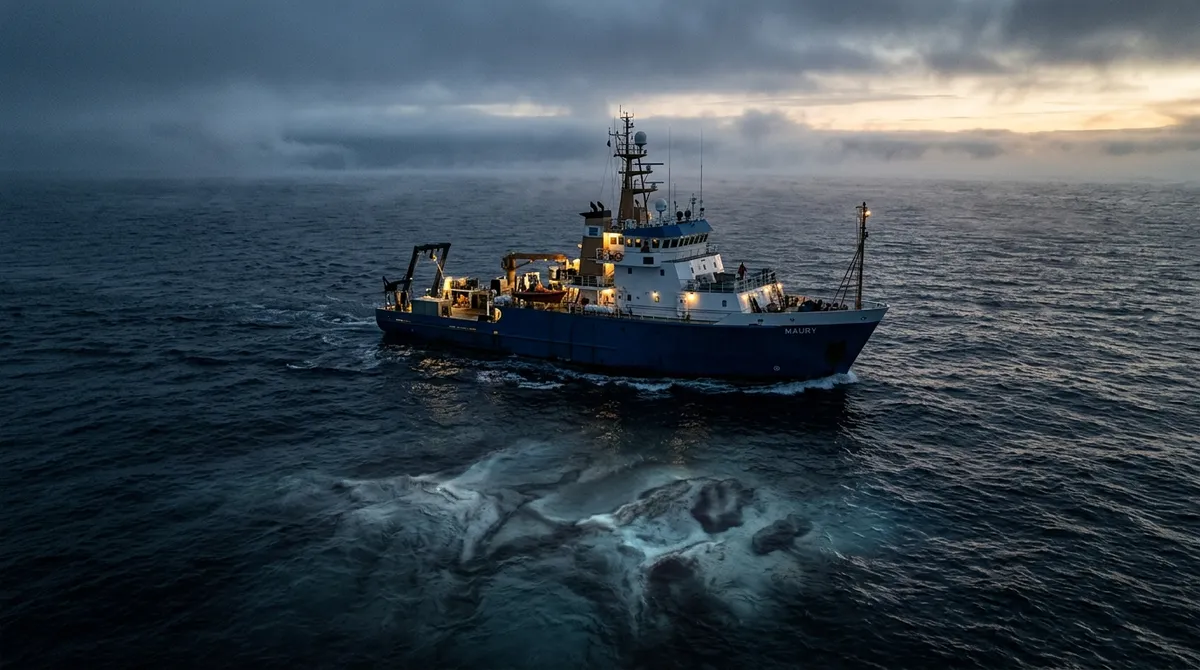
Deep in the North Pacific, between Japan and Canada, lies one of Earth's most mysterious geological formations. The Hess Rise, a massive T-shaped volcanic plateau, has remained largely unexplored since 1980. Now, a German-Japanese research expedition aboard the vessel SONNE is setting out to solve what scientists are calling a geological cold case.
According to reports, this oceanic plateau represents one of the world's largest underwater volcanic formations, yet scientists have barely scratched the surface of understanding how it came to be. The expedition marks a significant moment in deep-ocean research, bringing together international teams to investigate a formation that could reshape our understanding of Pacific tectonic history.
Three Theories, One Remote Plateau
The research team faces a compelling scientific puzzle: three competing theories attempt to explain how Hess Rise formed, but definitive evidence has remained elusive. The expedition will deploy an array of sophisticated instruments to test these theories, including seismometers, gravity and magnetic measurement devices, and advanced seafloor mapping technology.
This toolkit represents the modern approach to investigating what scientists describe as "lost" underwater volcanic worlds. Without the ability to directly observe these deep-sea formations, researchers must rely on indirect methods to piece together their geological history.
Ocean Bottom Seismometers: Eyes Into Earth's Interior
One of the expedition's key tools involves ocean bottom seismometers, which will map hidden Earth structures beneath the volcanic plateau. These instruments can detect seismic waves traveling through different rock types, essentially creating a subsurface image of the plateau's internal structure.
The gravity and magnetic measurements will provide additional clues about the composition and formation process of the plateau. Different types of volcanic rock exhibit distinct magnetic signatures, which can help scientists determine the conditions under which the plateau formed.
Cretaceous Volcanism and Ancient Mega-Events
According to reports, the research has broader implications for understanding the Cretaceous period, described as an age of extreme volcanism. During this time in Earth's history, massive volcanic events shaped much of the Pacific Ocean floor, and Hess Rise may hold crucial evidence about these ancient geological processes.
The expedition's findings could provide insights into volcanic mega-events that occurred millions of years ago, potentially revealing patterns in Earth's geological behavior that continue to influence our planet today.
International Collaboration at Sea
The German-Japanese partnership reflects growing international collaboration in deep-ocean research. Such expeditions require significant resources and expertise, making international cooperation essential for advancing our understanding of Earth's most remote geological features.
This collaboration also demonstrates what researchers describe as science diplomacy at sea, where nations work together to unlock the secrets of our planet's geological past.
The Hotspot Question
One of the most intriguing questions the expedition hopes to address involves the possibility that a single hotspot—an area of intense volcanic activity—could have built two giant Pacific plateaus. This theory, if proven, would significantly alter scientists' understanding of how hotspots operate and their role in shaping ocean floor geology.
The research could reveal whether Hess Rise shares a common origin with other Pacific volcanic formations, providing a clearer picture of the geological forces that shaped this vast ocean basin.
Reshaping Pacific History
The expedition's potential impact extends beyond solving the immediate mystery of Hess Rise's formation. According to reports, new data from this research could reshape understanding of Pacific tectonic history more broadly.
Given that Hess Rise has received minimal scientific attention since 1980, any significant findings would fill a substantial gap in our knowledge of Pacific Ocean geology. The plateau's remote location and challenging research conditions have long made it a frontier for geological investigation.
As the SONNE expedition gets underway, the scientific community awaits results that could finally solve one of the Pacific's most enduring geological mysteries. The combination of modern technology, international collaboration, and a decades-old scientific puzzle makes this expedition a compelling example of how researchers continue to uncover Earth's hidden histories in the planet's most remote locations.