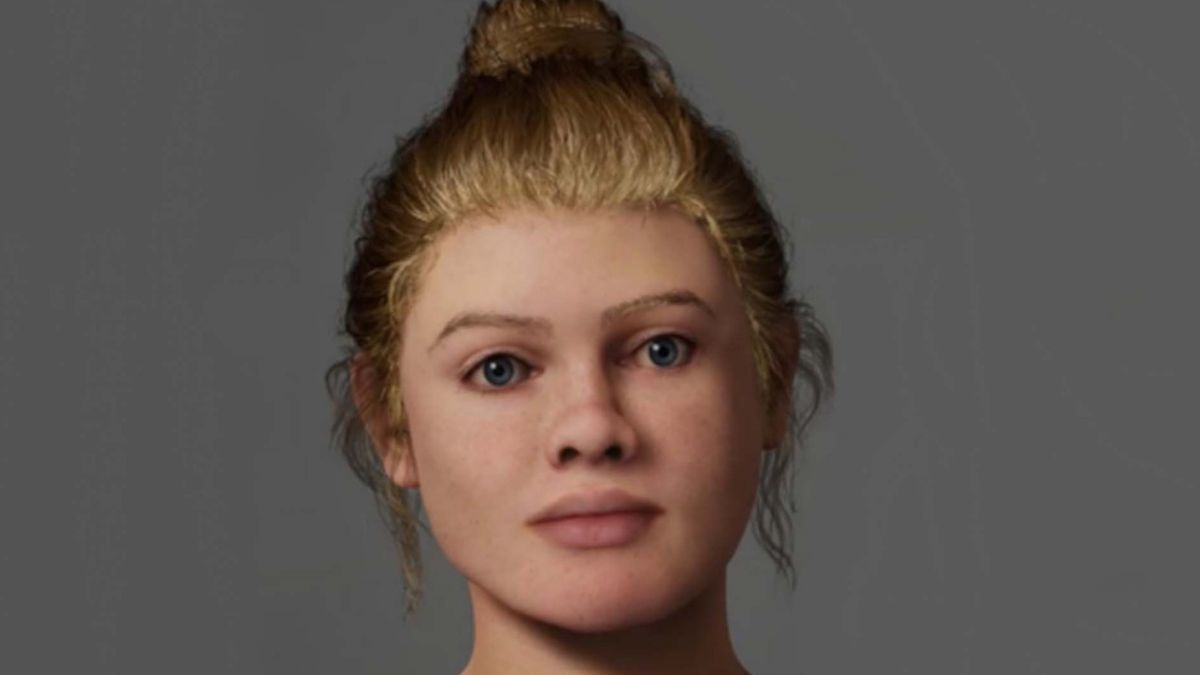
Recent advancements in ancient DNA analysis have brought a new perspective to the historical narrative of Beachy Head Woman, an intriguing figure from Britain’s distant past. This fascinating discovery sheds light on her origins and challenges previous assumptions about Britain’s early inhabitants, offering a fresh understanding of migration patterns and cultural exchanges during the Roman era.
Unveiling the Mystery of Beachy Head Woman
Beachy Head Woman was discovered in 1953 near Beachy Head, East Sussex. Her remains, dated to the Roman period in Britain, have long intrigued archaeologists and historians. Initial examinations suggested she might have been of local descent, but new DNA evidence has rewritten her story. With advanced genetic sequencing, researchers have determined that she likely hailed from the eastern Mediterranean, a revelation that alters our understanding of the ancient world.
The Role of DNA Analysis
The breakthrough in understanding Beachy Head Woman’s origins came through cutting-edge DNA analysis. Scientists were able to extract and sequence her genetic material, providing unprecedented insight into her ancestry. This technique has revolutionized archaeological research, enabling scholars to trace ancient migration patterns with greater accuracy. The findings suggest that she possessed genetic markers common in populations from the eastern Mediterranean, indicating a more diverse population in Roman Britain than previously believed.
Implications for Ancient Migration Patterns
This discovery has significant implications for comprehending the movement of people during the Roman era. It suggests that Roman Britain was a melting pot of cultures, with individuals from various regions contributing to the local tapestry. Such findings challenge the notion of a homogenous ancient society and underscore the importance of cultural and genetic diversity in shaping historical narratives.
Reevaluating Historical Narratives
The story of Beachy Head Woman exemplifies how modern science can transform our understanding of history. Her Mediterranean roots indicate that trade routes and migration were more extensive than once assumed. This challenges historians to reconsider how ancient communities interacted and integrated with newcomers. The presence of individuals like her adds depth to our perception of cultural exchanges in ancient times and emphasizes the dynamic nature of human history.
The Broader Impact of Genetic Research
The application of genetic research in archaeology extends beyond individual case studies. It opens new avenues for exploring the complex interactions between ancient populations. By providing concrete evidence of diverse ancestries, such studies encourage a reexamination of cultural identities and historical connections. This approach not only enriches our understanding of past societies but also highlights the enduring impact of migration on human development.
Conclusion: A New Chapter in Archaeological Research
The revelation about Beachy Head Woman’s origins is a testament to the power of interdisciplinary collaboration in uncovering the mysteries of the past. As genetic technologies continue to evolve, they hold the promise of unlocking further secrets embedded in ancient remains. This discovery invites us to appreciate the rich tapestry of human history and the diverse influences that have shaped civilizations across time and space.
#archaeology #ancientdna #history #migration #romanbritain