The potential of cannabis compounds in treating health issues has been a subject of research for years. Recently, a study has shed light on the possibility that certain compounds found in cannabis might offer a therapeutic approach to combat fatty liver disease, a condition affecting millions globally.
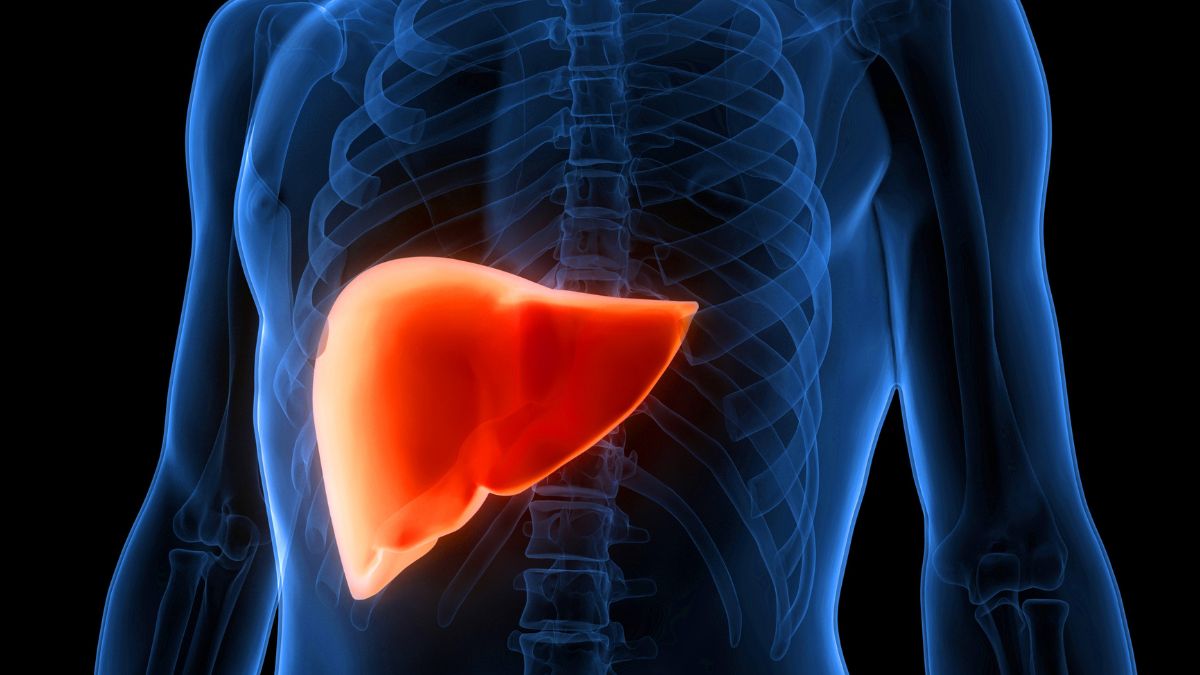
Understanding Fatty Liver Disease
Fatty liver disease is characterized by the accumulation of excess fat in liver cells. This condition can lead to inflammation and damage, potentially progressing to more severe liver diseases such as cirrhosis or liver cancer. It is commonly associated with obesity, type 2 diabetes, and high cholesterol, making it a significant concern in modern healthcare.
Current Treatments and Their Challenges
The existing treatment options for fatty liver disease largely focus on lifestyle changes, including diet and exercise. However, these interventions are not always effective for everyone, and there is a lack of specific pharmacological treatments. This gap in therapeutic options has prompted researchers to explore alternative solutions, including natural compounds.
The Role of Cannabis Compounds
The recent study suggests that certain compounds in cannabis, known as cannabinoids, might play a role in reversing the effects of fatty liver disease. Cannabinoids are chemical compounds that interact with the body’s endocannabinoid system, which is involved in regulating various physiological processes, including appetite, pain sensation, and mood.
How Cannabinoids Work
Cannabinoids may influence the liver’s fat metabolism, potentially reducing fat accumulation and inflammation. This could offer a novel approach to managing fatty liver disease, especially for individuals who do not respond well to traditional treatments. The study highlights the cannabinoid CBD, known for its anti-inflammatory and antioxidant properties, as a promising candidate.
Research Findings and Implications
The study, conducted on animal models, demonstrated that cannabinoids could reduce liver fat and improve liver function. While these findings are preliminary, they provide a basis for further research into the use of cannabis compounds in treating liver diseases. The possibility of developing a cannabinoid-based therapy offers hope for more effective management of fatty liver disease.
Future Research Directions
Future studies are needed to determine the safety and efficacy of cannabinoid treatments in humans. Clinical trials will be essential to understand the appropriate dosages, potential side effects, and long-term benefits of using cannabis compounds for liver health. Researchers are optimistic about the potential of cannabinoids, but caution is advised until more comprehensive data is available.
Conclusion
The exploration of cannabis compounds as a treatment for fatty liver disease is a promising area of research. While current findings are encouraging, further investigation is necessary to fully understand their potential and develop safe, effective therapies. The ongoing research could pave the way for new treatment paradigms, offering hope to those affected by this prevalent condition.
#health #cannabis #liverdisease #research #wellness