Breast cancer risk rises sharply with age, and scientists are getting closer to explaining why. New research suggests the answer is not only about random DNA mistakes building up over time. The aging breast also changes as an ecosystem, making it easier for abnormal cells to survive, grow, and potentially become cancerous.
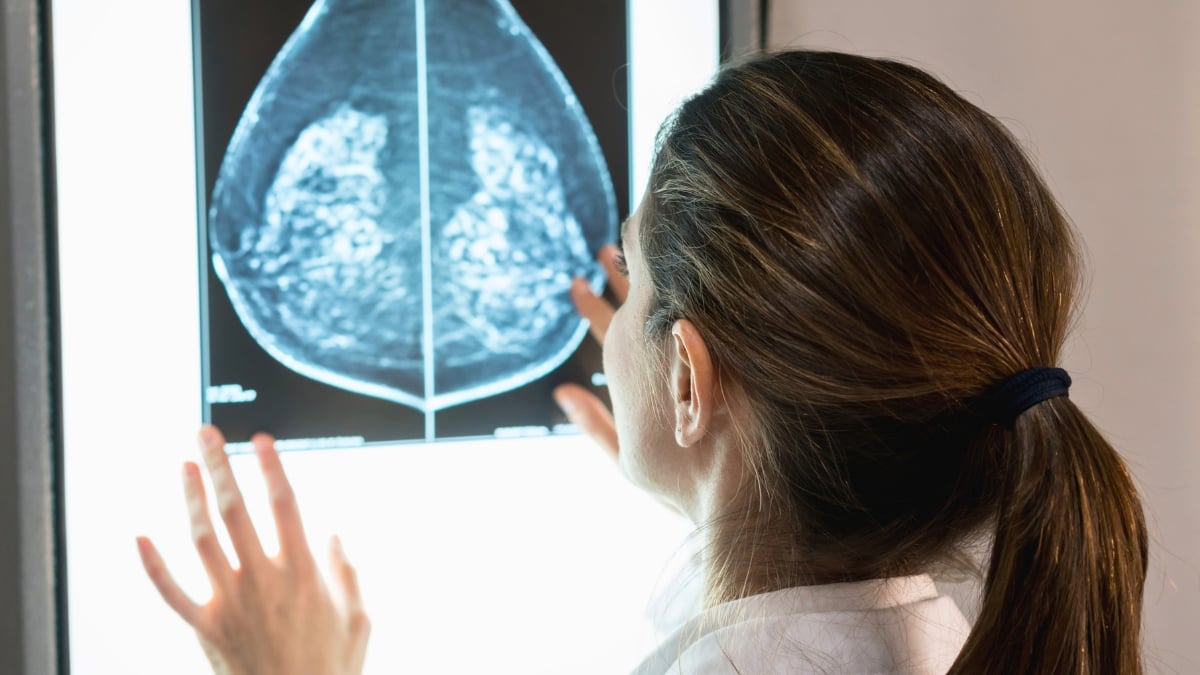
Why age is such a powerful breast cancer risk factor
Age remains one of the strongest risk factors for breast cancer. Most diagnoses occur after midlife, especially after menopause. While younger women can and do develop breast cancer, the odds increase steadily as cells spend more years dividing, repairing damage, and responding to changing hormones.
For decades, researchers have understood one part of the story. Every time a cell copies its DNA, small errors can occur. Most are corrected or harmless. Some, however, affect genes that control growth, repair, or cell death. Over many years, those genetic changes can accumulate.
But that explanation has always been incomplete. Many older cells carry mutations without becoming cancer. That means the surrounding tissue must also matter. A growing body of evidence now shows that aging alters the breast microenvironment, including immune activity, structural support, hormones, and communication between cells.
The breast is more than a collection of cells
Healthy breast tissue contains several cell types working together. Luminal cells line the milk ducts and lobules. Myoepithelial cells help form a protective layer around those structures. Fibroblasts build and maintain connective tissue. Immune cells patrol for infection, injury, and abnormal growth.
These cells do not act alone. They send chemical signals, respond to hormones, and help maintain the shape and function of breast tissue. When that balance changes with age, the tissue can become less effective at suppressing early cancer development.
Scientists studying normal breast tissue have found that aging can shift the behavior of cells long before a tumor forms. Some protective programs weaken. Some inflammatory signals rise. Structural changes can affect how tightly cells are organized. Together, these changes may create conditions that favor cancer initiation.
What aging does to breast epithelial cells
Many breast cancers begin in epithelial cells, especially cells lining ducts and lobules. These cells must divide when needed, respond to hormonal cues, and stop growing at the right time. Aging can disrupt those controls.
Research using advanced cell-mapping tools has shown that older breast tissue may contain epithelial cells with altered gene activity. Some cells appear more prone to growth signals. Others show stress responses linked to DNA damage, inflammation, or impaired repair systems.
This does not mean aging automatically turns normal cells into cancer. Instead, it may increase the pool of cells that are easier to push toward malignancy. If one of those cells gains a harmful mutation, the older tissue environment may be less able to contain it.
The protective role of myoepithelial cells may weaken
Myoepithelial cells act like a natural barrier around breast ducts and lobules. They help maintain normal tissue architecture and can restrain cells that begin behaving abnormally. In early breast cancer, this layer often separates contained disease from invasive cancer.
With age, the function of this protective layer may decline. If myoepithelial cells lose some ability to organize tissue or suppress abnormal growth, early cancer-like cells may gain more room to expand.
This makes myoepithelial cells an important focus for prevention research. Strengthening the tissue barriers that normally keep suspicious cells in check could become a future strategy for reducing cancer risk as women age.
Inflammation may help explain the age connection
Another major clue involves inflammation. As the body gets older, the immune system can shift into a low-level inflammatory state. This process is sometimes called inflammaging. It has been linked to heart disease, diabetes, dementia, and several cancers.
In breast tissue, chronic inflammation can change how cells behave. It may encourage growth signals, alter immune surveillance, and affect the extracellular matrix, which is the structural network surrounding cells. These changes can make tissue more permissive to cancer development.
Immune cells are supposed to identify and remove dangerous cells. Yet aging can reduce immune precision. Some immune responses become weaker, while others become overactive. This imbalance may allow abnormal breast cells to escape detection or receive signals that help them survive.
Hormonal changes also reshape breast tissue
Hormones play a central role in many breast cancers. Estrogen and progesterone influence breast cell growth, and lifetime hormone exposure affects risk. This is one reason reproductive history, age at first period, pregnancy timing, menopause, and hormone therapy can matter.
After menopause, estrogen levels fall sharply, but the hormone does not disappear completely. Fat tissue can continue producing estrogen in smaller amounts. At the same time, breast tissue becomes less dense for many women and undergoes remodeling.
These hormonal and structural shifts may interact with aging cells. In some cases, they may influence the development of estrogen receptor positive breast cancers, which are more common in older women. Understanding that interaction could help refine prevention and treatment approaches.
Why this research matters for prevention
The most important message is that breast cancer risk is not controlled by one factor. It reflects a combination of genetic changes, tissue aging, hormone exposure, immune function, lifestyle, and inherited risk. That complexity is challenging, but it also creates opportunities.
If scientists can identify the earliest age-related changes that make breast tissue vulnerable, they may be able to design better prevention tools. Future approaches could include drugs that calm harmful inflammation, therapies that restore protective cell behavior, or tests that detect risky tissue changes before cancer appears.
This work may also improve risk prediction. Today, doctors consider factors such as age, family history, breast density, genetic variants, reproductive history, and previous biopsies. Adding biological markers of tissue aging could make screening recommendations more personalized.
What women can do now
Research into breast aging is still developing, but current prevention advice remains valuable. Regular screening is one of the most effective tools for finding breast cancer early. Mammography can detect many tumors before symptoms appear, when treatment is often more successful.
Screening schedules vary by country and personal risk level. Women with a strong family history, known genetic variants, prior chest radiation, or previous high-risk breast findings may need earlier or more intensive screening. A healthcare professional can help assess individual risk.
Lifestyle also matters. Maintaining a healthy weight, staying physically active, limiting alcohol, avoiding smoking, and managing metabolic health can support overall cancer prevention. These habits cannot eliminate risk, but they can help lower it.
It is also important to report breast changes promptly. A new lump, nipple discharge, skin dimpling, swelling, persistent pain, or nipple changes should be checked. Many symptoms are not cancer, but timely evaluation is always wise.
A deeper view of breast cancer and aging
The latest findings move the conversation beyond the idea that cancer is only a disease of mutated cells. Breast cancer also depends on the neighborhoods where those cells live. As breast tissue ages, its ability to maintain order may decline.
That insight opens a hopeful path. If researchers can learn how aging tissue supports early cancer, they may find ways to interrupt that process. Prevention could become more precise, screening could become smarter, and treatments could better reflect the biology of older patients.
For now, age should be viewed as a signal to stay proactive, not fearful. Breast cancer risk increases over time, but early detection and better science continue to improve outcomes. Understanding why risk rises is the first step toward reducing it.
#breastcancer #cancerresearch #womenshealth #healthscreening