Diving Into Antarctica's Frozen Waters for Cancer Research
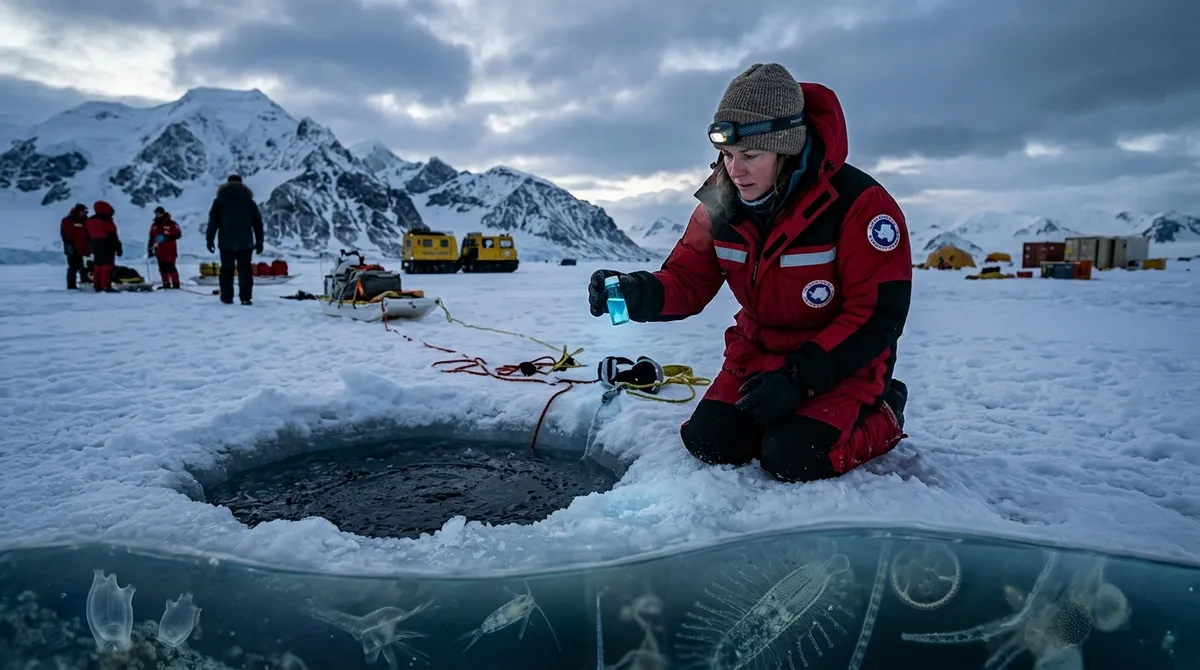
Researchers from the University of South Florida have returned from an extraordinary six-week expedition to Antarctica, where they studied unique marine organisms that could hold the key to treating one of the deadliest forms of skin cancer. The team focused on ascidians, commonly known as sea squirts, which harbor bacteria capable of killing melanoma cells.
This remarkable expedition builds on a discovery made two decades ago by chemistry professor Bill Baker, demonstrating the long timeline often required to translate basic scientific discoveries into potential medical treatments. The harsh Antarctic environment has produced organisms with uniquely evolved characteristics that researchers hope to harness for human medicine.
Why Antarctica's Extreme Environment Matters for Medicine
The expedition highlights a fascinating aspect of nature-based drug discovery: organisms living in extreme isolation often develop specialized chemical defenses that can be repurposed for medical applications. Antarctica's brutal conditions have forced marine life to evolve sophisticated survival mechanisms, some of which show promise in fighting human diseases.
According to reports, over half of FDA-approved drugs originate from natural sources, making ocean-based discoveries increasingly valuable in the search for new therapeutics. The Antarctic marine environment represents a largely untapped reservoir of potential pharmaceutical compounds, with organisms that have had millions of years to develop unique biochemical strategies.
The Long Road from Discovery to Treatment
The current expedition represents a crucial phase in what has been a 20-year journey from initial discovery to potential clinical application. Baker's original finding of melanoma-fighting bacteria in Antarctic sea squirts required years of additional research before reaching this point of intensive field study and lab analysis.
This timeline illustrates the complex pipeline of drug development, particularly when working with natural compounds from remote environments. Researchers must first identify promising organisms, understand their biochemical mechanisms, isolate active compounds, and then navigate extensive testing phases before any potential treatment could reach patients.
Melanoma's Deadly Challenge
Melanoma remains one of the most aggressive forms of skin cancer, making the search for new treatment options particularly urgent. While significant advances have been made in melanoma therapy in recent years, researchers continue seeking novel approaches that could improve outcomes for patients facing this dangerous disease.
The Antarctic research represents part of a broader effort to explore marine environments for pharmaceutical discoveries. Ocean creatures, particularly those in extreme environments, have evolved unique chemical defenses that often translate into medically useful properties when studied and refined in laboratory settings.
Extreme Science in Earth's Harshest Environment
Conducting research in Antarctica presents extraordinary challenges that few scientists ever face. The six-week expedition required researchers to work in some of the planet's most dangerous diving conditions, where frigid waters and remote locations amplify every risk. The commitment required to collect samples in such an environment underscores the potential significance of their findings.
The expedition's success demonstrates how cutting-edge medical research sometimes requires scientists to venture into Earth's most remote and inhospitable regions. These conditions, while dangerous for human researchers, have created evolutionary pressures that produce organisms with remarkable biochemical capabilities.
From Ocean Floor to Laboratory
The team's work represents the intersection of marine biology, chemistry, and medical research, showing how interdisciplinary collaboration drives modern scientific discovery. The collected samples and data from this expedition will now undergo extensive laboratory analysis as researchers work to understand exactly how the bacteria kill melanoma cells.
This phase of the research will be crucial in determining whether the compounds can be developed into effective treatments. The process involves isolating active ingredients, understanding their mechanisms of action, and testing their safety and efficacy under controlled conditions.
As the research continues, this Antarctic expedition exemplifies how nature's pharmacy continues to offer solutions to human health challenges, even in the most unexpected and remote corners of our planet.