
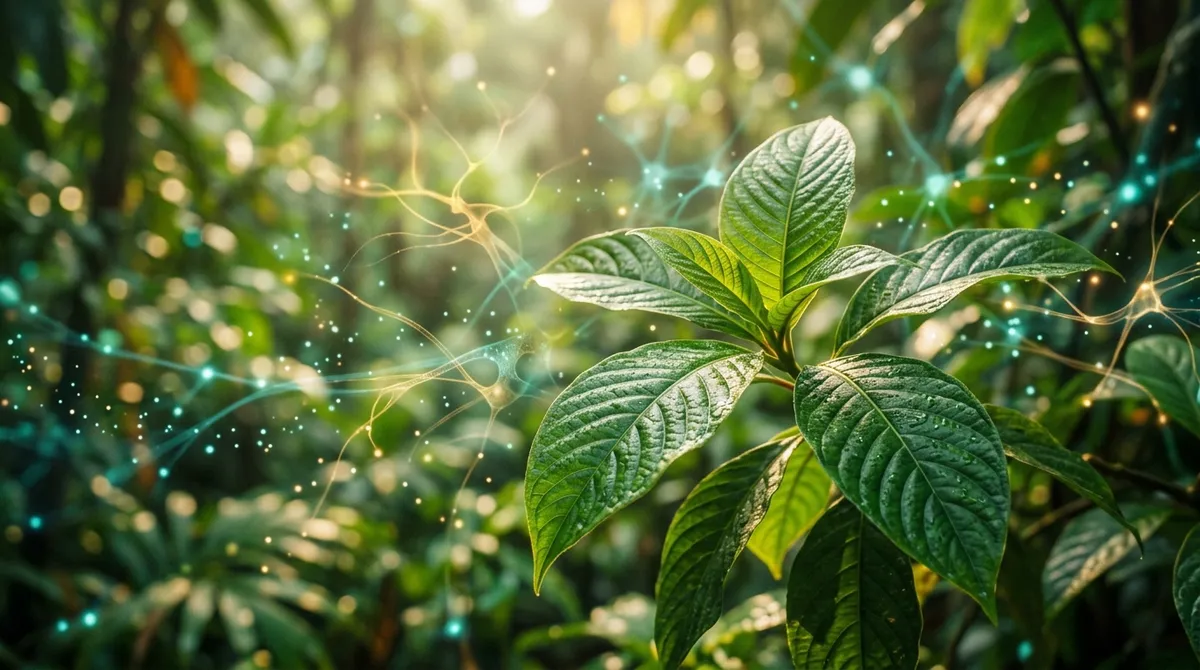
In recent years, the exploration of natural substances for mental health support has gained significant attention. Among them, a lesser-known Brazilian psychedelic plant has emerged as a promising candidate for depression treatment. While traditional medications remain crucial, this plant offers a novel approach that could complement existing therapies.
Research into this plant, scientifically known as Psychotria viridis, focuses on its active compound, dimethyltryptamine (DMT). DMT is renowned for its powerful psychedelic effects and is a primary ingredient in the traditional Amazonian brew, Ayahuasca. Despite its psychoactive reputation, recent studies suggest that DMT might have therapeutic benefits for mental health disorders, particularly depression.
The Science Behind DMT
DMT is a naturally occurring tryptamine that interacts with serotonin receptors in the brain. This interaction is thought to induce profound alterations in consciousness, often described as mystical or spiritual experiences. These effects have led researchers to investigate DMT's potential in treating mental health conditions by promoting psychological insights and emotional breakthroughs.
Unlike conventional antidepressants, which typically require weeks to take effect, DMT's impact is almost instantaneous. This rapid action is particularly advantageous for patients who do not respond well to traditional treatments. Additionally, it allows researchers to explore new therapeutic models that integrate psychedelic experiences with psychological support.
Clinical Trials and Findings
Clinical trials are currently underway to assess the safety and efficacy of DMT as a treatment for depression. Preliminary results indicate that DMT can produce meaningful changes in mood and perception, which may help alleviate depressive symptoms. Participants in these studies have reported a greater sense of clarity and emotional release following DMT sessions, suggesting its potential as a powerful therapeutic tool.
One of the challenges of these studies is ensuring that the psychedelic experience is both safe and beneficial. Researchers emphasize the importance of a controlled setting and professional guidance to maximize therapeutic outcomes and minimize potential risks.
Potential Benefits and Considerations
The potential benefits of using DMT for depression are vast. By facilitating transformative experiences, DMT could help patients break free from entrenched negative thought patterns. This could lead to lasting improvements in mental health and overall well-being. Additionally, DMT's fast-acting nature may provide immediate relief for those in acute distress.
However, there are important considerations to keep in mind. The psychedelic experience can be intense and overwhelming for some individuals. Therefore, it is crucial that such treatments are administered under professional supervision to ensure safety and to provide psychological support during and after the sessions.
Integration with Traditional Therapies
Integrating DMT into existing mental health treatment frameworks could offer a holistic approach to depression care. This integration would involve combining DMT sessions with psychotherapy, allowing patients to process their experiences in a therapeutic context. Such an approach could enhance the overall effectiveness of treatment by addressing both the psychological and neurological aspects of depression.
Moreover, this combination could help reduce stigma associated with psychedelic therapies, paving the way for broader acceptance in the medical community and among patients. The goal is to create a comprehensive treatment plan that considers the unique needs of each individual, potentially improving outcomes for those struggling with depression.
Future Directions and Research
As interest in psychedelic research continues to grow, the future of DMT as a depression treatment looks promising. Ongoing studies aim to refine dosing protocols, establish long-term efficacy, and ensure safety. Researchers are also exploring the potential of DMT for other mental health conditions, such as anxiety and PTSD, which could further expand its therapeutic applications.
The journey towards regulatory approval is complex, but the growing body of evidence supporting DMT's benefits is encouraging. As more data becomes available, it is likely that this unique plant will play an increasingly important role in the mental health landscape.
While DMT is not yet a mainstream treatment for depression, its potential is undeniable. Continued research and clinical trials will help determine its place in modern psychiatry, offering hope for those seeking alternative or adjunctive therapies for mental health challenges.