
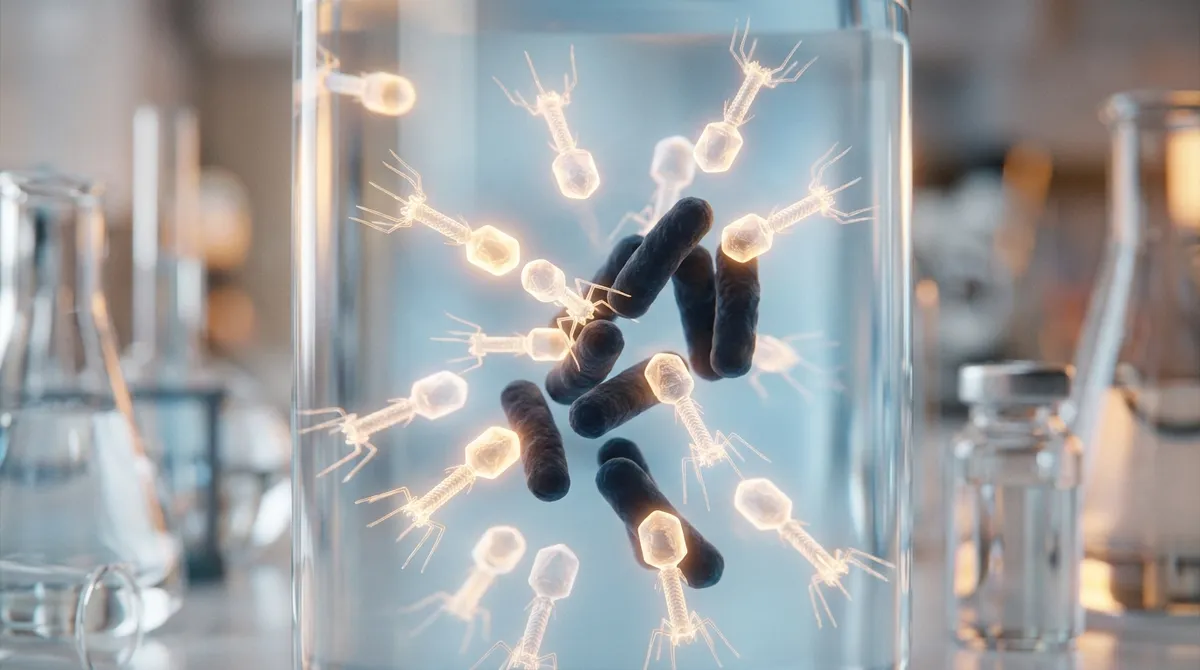
In the face of an alarming rise in antibiotic-resistant bacteria, scientists are revisiting a century-old approach that could offer a glimmer of hope. This method, known as phage therapy, utilizes viruses to combat bacterial infections, presenting a promising alternative to traditional antibiotics. With superbugs posing a significant threat to global health, the revival of this therapy could be a game-changer in modern medicine.
Antibiotic resistance is a growing concern worldwide, threatening to undermine decades of medical advancements. As bacteria evolve, they develop mechanisms to resist the effects of antibiotics, rendering many treatments ineffective. This has led to an urgent need for innovative solutions to treat bacterial infections that no longer respond to conventional drugs.
Understanding Phage Therapy
Phage therapy involves the use of bacteriophages, which are viruses that specifically infect bacteria. These phages attach to bacterial cells, inject their genetic material, and replicate inside, eventually causing the bacteria to burst and die. This natural process makes phage therapy a targeted approach, as each phage is specific to a particular type of bacteria, minimizing damage to beneficial bacteria in the body.
Originally discovered in the early 20th century, phage therapy was sidelined with the advent of antibiotics. However, as antibiotic resistance escalates, researchers are once again exploring its potential. Phages offer a unique advantage by evolving alongside bacteria, which helps them overcome bacterial resistance mechanisms, unlike static chemical antibiotics.
Advantages of Phage Therapy
The specificity of phage therapy is one of its most significant benefits. Unlike broad-spectrum antibiotics that can disrupt the body's microbiome, phages target only the harmful bacteria, preserving the natural balance of the body's beneficial microorganisms. This precision reduces side effects and the risk of secondary infections often associated with antibiotic use.
Moreover, phages can be engineered to enhance their effectiveness. Scientists can modify phages to improve their ability to bind to bacteria or to disrupt bacterial defense mechanisms. This flexibility makes phage therapy adaptable to various bacterial threats, including those resistant to multiple antibiotics.
Challenges and Considerations
Despite its potential, phage therapy faces several challenges. One of the primary concerns is the regulatory framework required for phage products, which must meet stringent safety and efficacy standards. Additionally, identifying the right phage for a particular infection can be complex, requiring thorough diagnostic testing to match the phage to the specific bacterial strain.
Another challenge is the need for a robust supply of phages. Developing phage banks that store a wide range of phages could facilitate faster and more effective treatment options. However, this requires significant investment in research and infrastructure, as well as collaboration between researchers, healthcare providers, and regulatory bodies.
The Future of Phage Therapy
As the world grapples with the superbug crisis, phage therapy could become a vital component of the global healthcare arsenal. The ongoing research and successful case studies highlight its potential to treat infections that have become resistant to all known antibiotics. Furthermore, the adaptability of phages offers hope for the development of therapies tailored to combat new and emerging bacterial threats.
The future of phage therapy will likely involve a combination of traditional antibiotics and phage-based treatments. This integrated approach could enhance the effectiveness of antibiotic treatments, reduce the likelihood of resistance, and provide a sustainable solution to the antibiotic resistance crisis.
Conclusion
The resurgence of interest in phage therapy signifies a crucial step forward in the fight against antibiotic-resistant bacteria. By leveraging nature's own mechanisms to combat bacterial infections, scientists are opening new doors to treatment possibilities that were previously unimaginable. As research continues, phage therapy holds the promise of transforming how we address some of the most stubborn and dangerous infections, offering hope for a healthier future.