
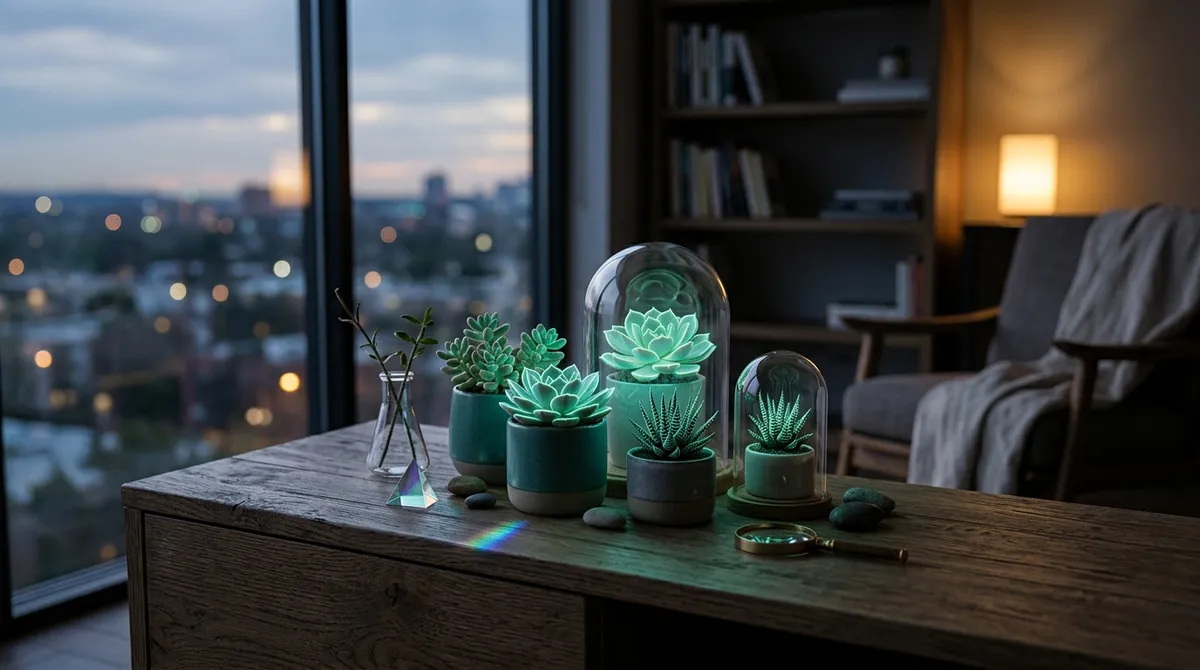
In the ever-evolving world of botanical innovation, scientists have made a remarkable breakthrough by developing glow-in-the-dark succulents. These luminous plants offer a mesmerizing twist on traditional houseplants, captivating plant enthusiasts and scientists alike. This innovative achievement not only adds a magical touch to home decor but also sheds light on the potential for genetic modification in creating visually stunning plant varieties.
The Science Behind Glowing Succulents
To achieve the enchanting glow, researchers utilized advanced genetic engineering techniques. By integrating certain genes responsible for bioluminescence, typically found in marine organisms, into the DNA of succulents, they created plants that emit a gentle, phosphorescent light in dark environments. This process involves the use of a specific enzyme called luciferase, which reacts with a molecule known as luciferin, resulting in the emission of light.
This scientific endeavor is not merely an aesthetic pursuit. It represents a significant advancement in the field of plant biotechnology, showcasing the possibilities of genetic manipulation to enhance plant traits. Moreover, it opens up discussions about the ethical and ecological implications of modifying plant genomes for decorative purposes.
Applications and Implications
The introduction of glow-in-the-dark succulents has potential applications beyond home decoration. For instance, they could play a role in sustainable lighting solutions, reducing electricity consumption by providing natural illumination in gardens and urban landscapes at night. Additionally, these plants could serve educational purposes, offering a hands-on way to teach students about genetics and biotechnology.
However, the creation of genetically modified organisms (GMOs) often sparks debate regarding their impact on the environment and biodiversity. As these glowing succulents enter the market, it is crucial to consider potential ecological effects, such as their interaction with native plant species and the possibility of cross-breeding.
Caring for Your Luminous Plant
For those eager to add these captivating succulents to their collection, understanding their care requirements is essential. These genetically modified plants share similar needs with conventional succulents, including well-drained soil, minimal watering, and ample sunlight. However, to maintain their bioluminescent glow, they may require specific nutrients or conditions that enhance their luminescent properties.
Ensuring the right balance of care will not only keep the plants healthy but also preserve their unique glow, allowing them to thrive and illuminate your living space.
Ethical Considerations
While the allure of glowing succulents is undeniable, ethical questions surrounding genetic modification must be addressed. The creation of such plants raises concerns about altering natural organisms for human enjoyment. It is essential to weigh the benefits of this innovation against the potential risks and ethical dilemmas it presents.
Engaging in open discussions about the responsible use of biotechnology in horticulture can help guide the development of future projects, ensuring that advancements are made with consideration for the environment and societal values.
The Future of Bioluminescent Plants
As the popularity of glow-in-the-dark succulents grows, researchers are optimistic about the future of bioluminescent plants. With continued advancements in genetic engineering, it is conceivable that a wider variety of glow-in-the-dark plant species could be developed, expanding the possibilities for decorative and practical applications.
This burgeoning field holds promise not only for enhancing the aesthetic appeal of plants but also for contributing to sustainable practices and educational initiatives. As we look to the future, the integration of bioluminescent plants into everyday life could become an exciting reality.
In conclusion, the creation of glow-in-the-dark succulents marks a captivating intersection of science and nature. These luminous plants not only provide a unique addition to home decor but also inspire further exploration into the potential of genetic modification. As we embrace this innovation, it is crucial to consider both its benefits and the ethical responsibilities it entails.