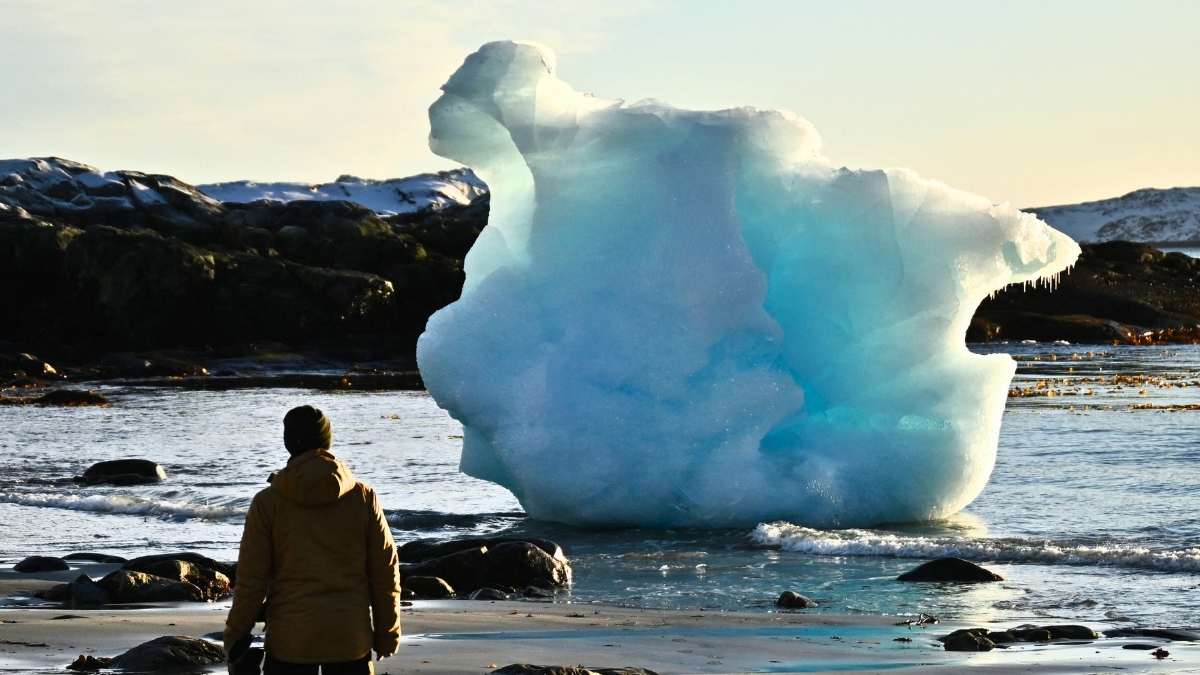
In a groundbreaking discovery, scientists have uncovered intriguing signs of life within an unusual blue volcanic substance. This peculiar find has sparked curiosity and excitement in the scientific community, as it could offer new insights into extremophiles—organisms thriving in inhospitable environments. The vibrant blue hue of this volcanic material, along with its potential to harbor life, raises questions about the adaptability of life forms under extreme conditions.

Unveiling the Blue Volcanic Mystery
Researchers stumbled upon this striking blue substance while exploring a volcanic site. The material, initially appearing as a bizarre geological anomaly, soon revealed itself to be a potential haven for life. The discovery was made in a region known for its volatile geothermal activity, providing a unique setting for microbial life to exist.
The team employed advanced analytical techniques to examine the composition and structure of the goo. Their analysis revealed the presence of microbial life forms that have adapted to the harsh volcanic environment. These organisms showcase remarkable resilience, thriving in conditions that would be uninhabitable for most known life forms.
Exploring the Characteristics of the Goo
The blue volcanic goo is composed of a mixture of minerals and microbial colonies. Its vivid color is attributed to specific mineral compositions and biological pigments produced by the resident microbes. This combination not only makes the substance visually striking but also biologically fascinating.
Scientists are particularly interested in understanding how these microbes manage to survive in such extreme conditions. The goo’s environment is characterized by high temperatures, acidic conditions, and limited nutrients, posing significant challenges to life. Yet, the microbes have developed unique adaptations, potentially offering clues about life’s capabilities on other planets.
Implications for Astrobiology
The discovery of life within the blue volcanic goo has profound implications for the field of astrobiology. By studying extremophiles on Earth, scientists can better predict where and how life might exist elsewhere in the universe. The ability of organisms to thrive under harsh conditions on Earth suggests that similar life forms could exist on planets with extreme environments.
This finding fuels the ongoing search for extraterrestrial life, particularly on planets like Mars, which share similarities with Earth’s volcanic regions. Researchers hope that understanding these resilient microbes will enhance our strategies for detecting life beyond our planet.
Future Research Directions
While the discovery of life in the blue volcanic goo is a significant milestone, it also opens the door to numerous research opportunities. Scientists aim to delve deeper into the genetic makeup of these extremophiles to uncover the specific adaptations that enable their survival. Such studies could lead to biotechnological advancements, including the development of new materials and processes inspired by these hardy organisms.
Furthermore, ongoing research will focus on mapping the distribution of such volcanic environments globally to identify other potential sites where similar life forms might thrive. By expanding the search to different geological settings, researchers hope to build a comprehensive understanding of life’s adaptability.
Conclusion
The discovery of mysterious life within blue volcanic goo marks a significant step forward in our understanding of life’s limits. It challenges preconceived notions about habitability and resilience, offering a glimpse into the incredible diversity of life on Earth. As scientists continue to explore these extreme environments, each finding brings us closer to answering the age-old question of whether we are alone in the universe.
#volcaniclife #extremophiles #astrobiology #scientificdiscovery #microbialresearch