
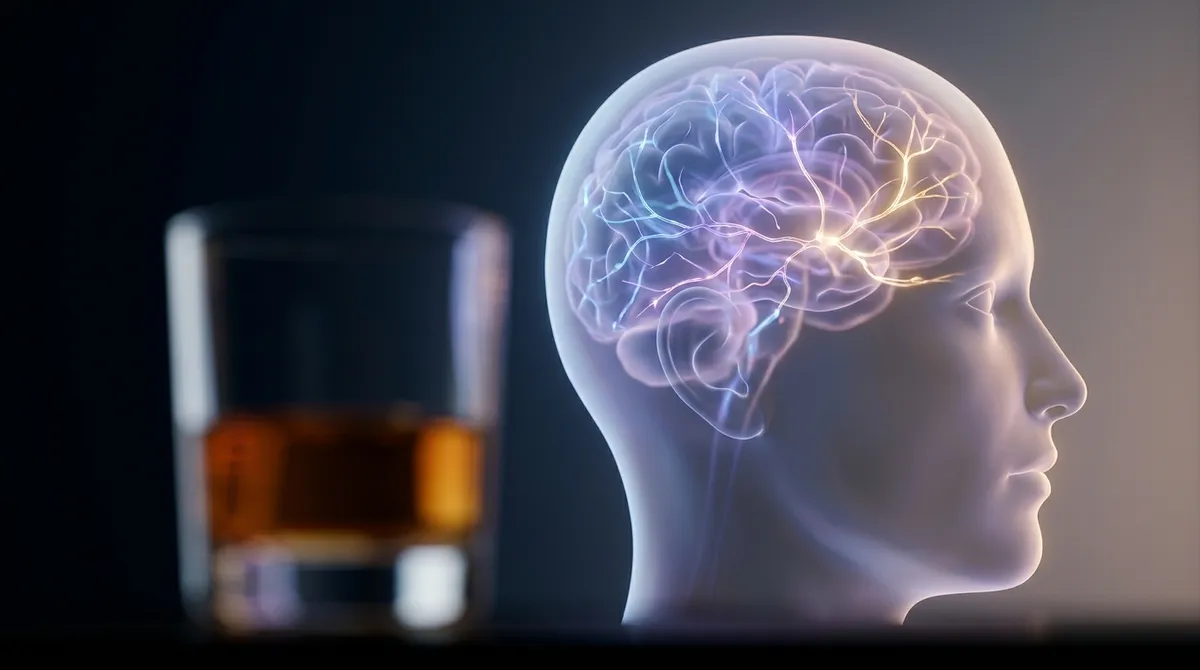
Recent research is shedding light on a novel approach to combating alcohol use disorder (AUD) by exploring the potential of psychedelics. These powerful substances, traditionally used in spiritual and recreational settings, are now being examined for their ability to alter brain pathways and potentially reduce alcohol consumption. This innovative field of study is opening new doors for those seeking treatment for AUD, a condition that affects millions worldwide.
The Science Behind Psychedelics and Brain Rewiring
Psychedelics, such as psilocybin and LSD, are known for their ability to induce altered states of consciousness. Researchers have discovered that these substances can facilitate neuroplasticity, the brain's ability to reorganize and form new neural connections. This process is crucial for adapting to new experiences and overcoming maladaptive behaviors. By enhancing neuroplasticity, psychedelics may help reshape the neural circuits associated with addictive behaviors.
Potential Benefits for Alcohol Use Disorder
Alcohol use disorder is characterized by an inability to control alcohol intake despite adverse consequences. Traditional treatments include counseling, behavioral therapies, and medications, but these methods are not always effective for everyone. Psychedelics offer a promising alternative by potentially addressing the root causes of addiction through profound psychological experiences and brain rewiring. These substances can help individuals gain new perspectives on their habitual drinking patterns, thus supporting long-term recovery.
Clinical Trials and Research Findings
Clinical trials are underway to investigate the therapeutic effects of psychedelics on alcohol use disorder. Early findings suggest that participants who received psychedelic-assisted therapy showed a significant reduction in alcohol consumption compared to those who underwent conventional treatments. These trials have demonstrated that psychedelics can produce lasting changes in behavior, often accompanied by a sense of personal insight and emotional release.
Challenges and Considerations
Despite the promising results, the use of psychedelics in treating AUD is not without challenges. The legal status of these substances varies globally, complicating research efforts and access to treatment. Additionally, the intensity of psychedelic experiences requires careful management within a clinical setting to ensure safety and efficacy. It is crucial for researchers and healthcare providers to develop standardized protocols and guidelines to maximize the therapeutic benefits while minimizing potential risks.
The Future of Psychedelic Therapy
The growing body of evidence supporting the use of psychedelics for mental health disorders, including AUD, is encouraging. As research progresses, we may see these substances integrated into mainstream therapeutic practices, offering new hope for individuals struggling with addiction. The potential to transform lives through psychedelic-assisted therapy represents a significant advancement in the field of mental health.
In conclusion, the exploration of psychedelics as a treatment for alcohol use disorder marks an exciting frontier in addiction therapy. By harnessing the brain's natural capacity for change, these substances could offer a transformative path toward recovery, helping those affected by AUD to reclaim their lives.