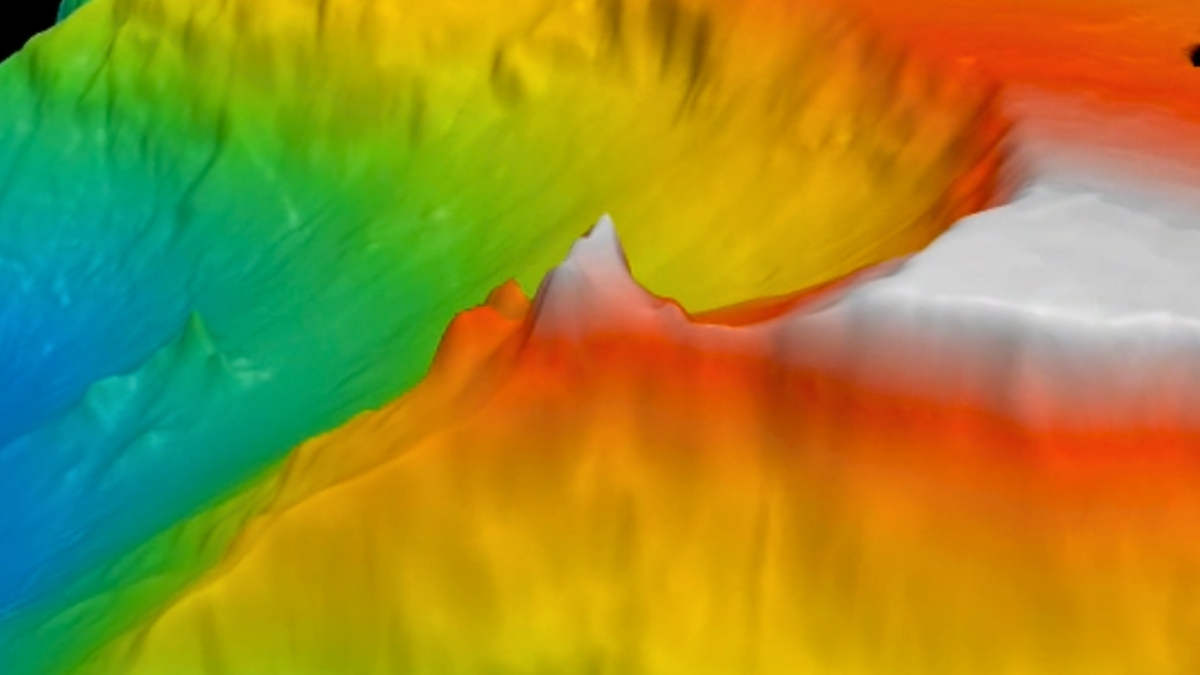

In an unprecedented observation, scientists have captured the movement of a colossal tsunami triggered by the eruption of the Hunga Tonga-Hunga Ha’apai volcano. This massive underwater explosion sent shockwaves around the globe, creating a tsunami so powerful that its effects were recorded for nine continuous days. The event has provided researchers with a valuable opportunity to study such phenomena in detail, shedding light on the dynamics of these devastating natural events.
The Eruption and Its Immediate Aftermath
On January 15, 2022, the Hunga Tonga-Hunga Ha’apai volcano erupted in the South Pacific, causing a significant disruption. This eruption was so massive that it reached the stratosphere, releasing vast amounts of ash and gas into the atmosphere. The explosion’s intensity was comparable to hundreds of atomic bombs, illustrating the sheer power of this natural event. Tsunamis generated by such eruptions are rare, and the magnitude of this one has piqued the scientific community’s interest.
Global Impact of the Tsunami
The tsunami from the Hunga Tonga-Hunga Ha’apai eruption was remarkable not only for its size but also for its reach. It traveled across the world’s oceans, affecting coastlines far from its origin. Regions as distant as Japan and the Americas experienced unusual wave patterns, prompting evacuations and safety measures. The tsunami’s global impact highlighted the interconnectedness of our planet’s geological systems and underscored the importance of international cooperation in monitoring such events.
Advancements in Tsunami Monitoring
One of the significant outcomes of this event was the advancement in tsunami monitoring technology. Researchers used a combination of satellite data, deep-sea sensors, and tide gauges to track the tsunami’s journey around the globe. These tools provided real-time data, allowing for accurate predictions and timely warnings. The integration of these technologies marks a leap forward in our ability to respond to natural disasters, potentially saving countless lives in future events.
Implications for Future Research
The data collected from this eruption is invaluable for scientists studying volcanic activity and its consequences. By analyzing the tsunami’s characteristics, researchers can better understand the mechanisms that drive such massive water displacements. This knowledge will enhance predictive models, improving our preparedness for similar events in the future. Additionally, studying the atmospheric effects of the eruption offers insights into how large-scale volcanic activity can influence climate patterns.
Community and Environmental Response
In the wake of the tsunami, affected communities have been working to rebuild and adapt to the changes in their environment. The event served as a stark reminder of the power of nature and the need for resilience in the face of natural disasters. Environmental organizations have also been assessing the impact on marine and coastal ecosystems, which may have suffered from both the physical force of the tsunami and the volcanic ash fallout.
Conclusion: Learning from Nature’s Power
The skyscraper-sized tsunami resulting from the Hunga Tonga-Hunga Ha’apai eruption has provided a wealth of information for scientists and researchers. This natural event not only demonstrated the immense power of underwater volcanic eruptions but also showcased the advancements in our ability to monitor and respond to such occurrences. As we continue to study the data collected, the lessons learned will be crucial in enhancing global preparedness and resilience against the unpredictable forces of nature.
#tsunami #volcaniceruption #naturaldisasters #science #globalimpact