
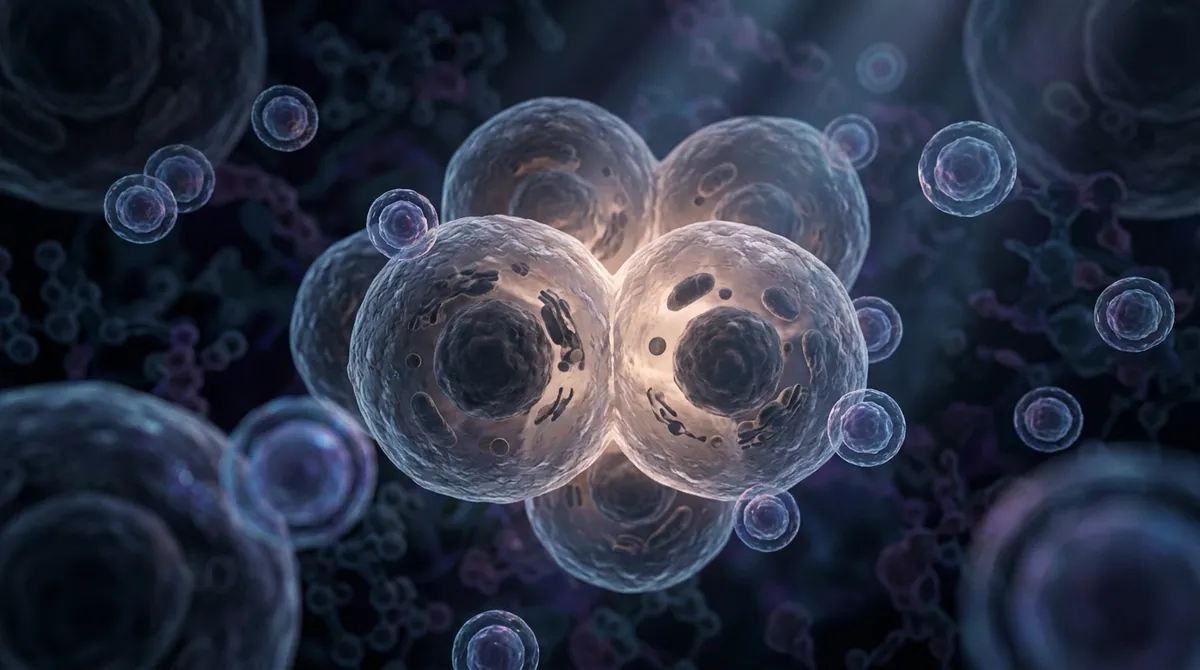
Recent research has uncovered a concerning link between common viral infections and the reactivation of dormant breast cancer cells. This discovery offers new insights into how breast cancer might resurface years after initial treatment, highlighting the need for further investigation into the relationship between viruses and cancer.
The Role of Dormant Cancer Cells
Dormant cancer cells are those that remain inactive in the body after primary treatment has eradicated the visible cancer. These cells can linger for years without causing any symptoms or being detectable through standard medical tests. However, under certain conditions, they can awaken and lead to cancer recurrence. Understanding what triggers these cells to become active again is crucial for developing strategies to prevent relapse.
Common Viruses as Potential Triggers
In a groundbreaking study, researchers have pinpointed common viruses as potential culprits in reactivating dormant breast cancer cells. Viruses, such as those responsible for respiratory infections, can create an environment in the body that may awaken these silent cancer cells. The exact mechanism is still under investigation, but it is hypothesized that the inflammatory response triggered by viral infections might play a significant role.
Implications for Breast Cancer Patients
This discovery is particularly significant for breast cancer survivors, as it suggests that even common illnesses could potentially lead to cancer recurrence. It underscores the importance of maintaining a robust immune system and possibly adopting preventive measures during viral outbreaks. Furthermore, this research could lead to the development of new therapeutic approaches aimed at preventing the reactivation of dormant cancer cells.
Future Research Directions
While the link between common viruses and dormant breast cancer cells is a promising area of study, more research is needed to fully understand the interactions. Scientists are now focusing on identifying specific viral strains that are most likely to trigger cancer cell reactivation. They are also exploring the exact biological processes involved, which could pave the way for novel preventive treatments.
Impacts on Cancer Treatment Strategies
The insights gained from this study could revolutionize how breast cancer recurrence is managed. By identifying individuals at higher risk of viral-induced recurrence, targeted therapies could be developed. Additionally, vaccines or antiviral medications could become part of standard post-cancer treatment regimens to minimize the risk of recurrence.
Conclusion
The connection between common viral infections and the reactivation of dormant breast cancer cells opens new avenues for research and treatment. By further exploring this link, the medical community can develop more effective strategies to prevent cancer recurrence, ultimately improving outcomes for survivors. Staying informed about these developments is crucial for both patients and healthcare providers in the ongoing battle against cancer.