
From Earth's Battlefields to Lunar Frontiers
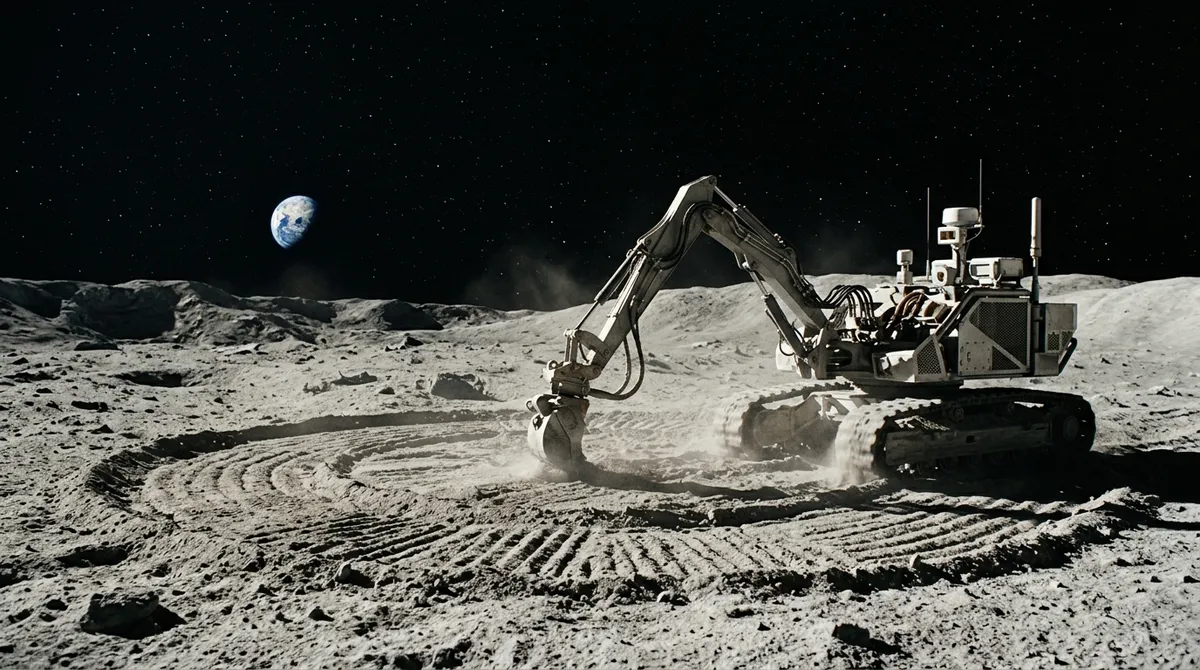
As NASA sets its sights on establishing a permanent lunar base by 2040, researchers at Texas A&M University are tackling one of space exploration's most expensive challenges: how to build on the moon without breaking the bank. Their solution involves using the moon's own materials and pioneering robotics technology that could revolutionize space construction.
The economics of lunar construction are staggering. According to reports, shipping materials to the moon costs between $1 million and $1.3 million per kilogram, making traditional construction methods prohibitively expensive. This astronomical cost is driving researchers to focus on in-situ resource utilization—using what's already available on the lunar surface.
The Regolith Revolution
At the heart of this innovative approach is lunar regolith, the fine, powdery material that covers the moon's surface. While this material presents unique engineering challenges due to the moon's harsh environment, it represents the key to sustainable lunar settlement according to Texas A&M researchers.
The university's Texas A&M Space Institute, a $200 million facility, is replicating moon and Mars surfaces for testing construction technologies. This specialized environment allows researchers to develop and test solutions before they're deployed in the unforgiving lunar environment.
Robotics and Mixed Reality Break New Ground
One of the most promising developments involves mixed-reality systems and semi-autonomous robots that will enable engineers on Earth to control construction on the moon in real time. This breakthrough addresses the fundamental challenge of building in an environment where human presence is limited and extremely costly.
The robotics innovation extends beyond simple remote operation. Researchers are developing autonomous construction methods that can work independently when real-time communication with Earth isn't possible, ensuring continuous progress on lunar infrastructure projects.
Military Expertise Meets Space Engineering
The project draws on unique expertise from researchers like Dr. Suermann, who brings experience from building military bases in Afghanistan to designing lunar infrastructure. This connection highlights how lessons learned from Earth's harshest environments are informing humanity's next frontier.
Building in extreme terrestrial conditions has provided valuable insights into construction challenges that parallel those found on the moon, including resource scarcity, hostile environments, and the need for rapid, reliable construction methods.
Beyond Flags and Footprints
This research represents a fundamental shift in space exploration philosophy. Rather than the traditional "flags and footprints" approach of brief visits, the focus has moved toward actual settlement and permanent presence on the lunar surface.
The Texas A&M Space Institute is developing specialized labs that focus on overcoming the extreme challenges of building on the moon. These facilities are advancing multiple technologies simultaneously, from robotics to construction materials science, creating an integrated approach to lunar settlement.
The Path to Permanent Settlement
The urgency of this research is driven by NASA's ambitious 2040 timeline for establishing a permanent lunar base. This goal requires not just technological breakthroughs, but practical, cost-effective solutions that can be implemented reliably in the lunar environment.
Using lunar regolith as a primary building material could dramatically reduce the cost and complexity of lunar construction projects. Instead of shipping massive amounts of building materials from Earth, future lunar settlements could be built primarily from materials already present on the moon.
Innovation Hub for Space Construction
Texas A&M's approach combines multiple cutting-edge technologies into a cohesive system for lunar construction. The mixed-reality control systems allow for precise manipulation of construction equipment from Earth, while autonomous systems ensure continued progress during communication blackouts.
This technological convergence is creating new possibilities for space construction that go far beyond current capabilities. The research is establishing the foundation for not just lunar settlements, but potentially Mars colonies and other space-based infrastructure projects.
As humanity prepares to become a truly spacefaring species, the work being done at Texas A&M represents a crucial step toward making permanent space settlement both technically feasible and economically viable. The combination of innovative robotics, practical construction expertise, and lunar resource utilization could transform humanity's relationship with space from temporary visits to permanent presence.