In recent years, a troubling trend has emerged off the coast of South Africa where penguin populations have been drastically declining. Over the past decade, an alarming number of these seabirds have succumbed to starvation. Understanding the reasons behind this decline is crucial to conserving these iconic species and maintaining ecological balance in the region.
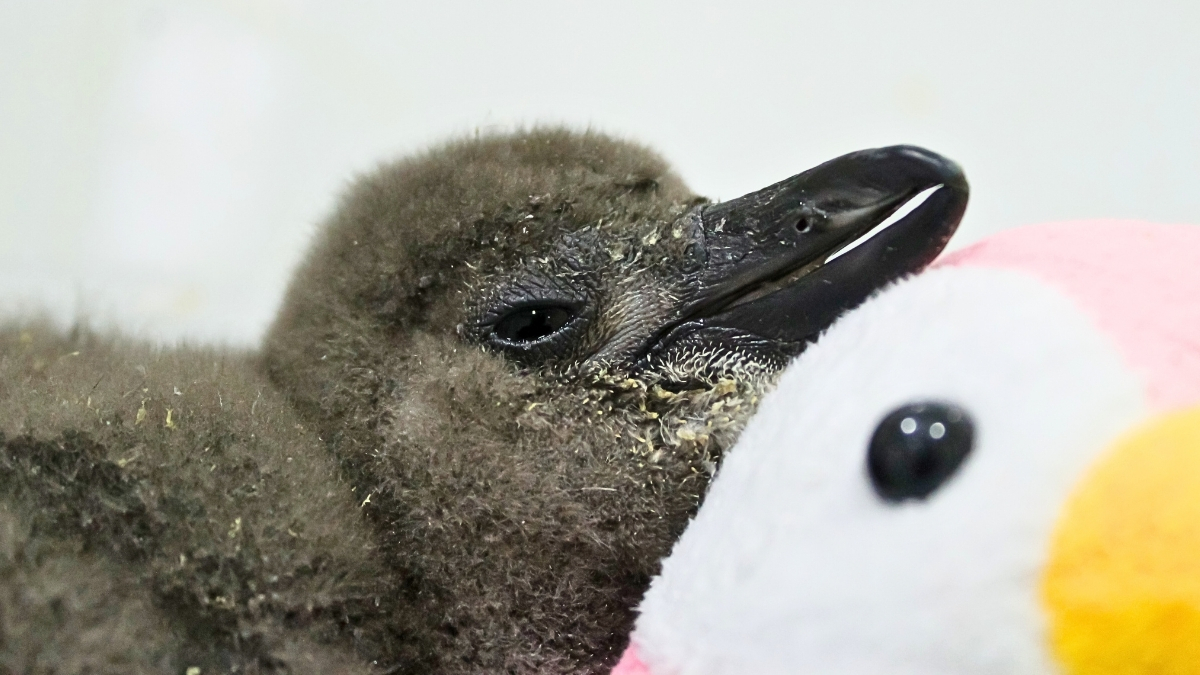
The Plight of South African Penguins
South Africa’s coastline, renowned for its rich marine biodiversity, has long been home to thriving penguin colonies. However, recent studies reveal that approximately 62,000 penguins have perished due to starvation over the last ten years. This disheartening statistic underscores a broader environmental issue impacting marine life and ecosystems.
Root Causes of Penguin Starvation
A primary factor contributing to the penguins’ plight is the significant shift in their prey’s availability. Traditionally, these birds feed on sardines and anchovies, which have become increasingly scarce near their breeding grounds. This scarcity forces penguins to travel farther to find food, often resulting in energy depletion and starvation.
Another contributing factor is climate change, which disrupts ocean currents and fish distribution. As ocean temperatures rise, fish populations move to cooler, deeper waters, beyond the reach of penguins. Additionally, overfishing exacerbates the problem by reducing available prey in the region.
Conservation Efforts and Challenges
Efforts to mitigate the penguin crisis are underway, led by conservation organizations and researchers. These initiatives focus on habitat protection, sustainable fishing practices, and establishing marine protected areas. However, the complexity of marine ecosystems and the global scale of climate change present significant hurdles to these efforts.
Collaborative research is key to understanding and addressing the multi-faceted challenges facing penguin populations. Scientists emphasize the importance of comprehensive data collection and analysis to inform conservation strategies. Educating and engaging local communities in conservation actions is also crucial to ensure the success of these initiatives.
The Role of Policy and Public Awareness
Government policies play a pivotal role in safeguarding marine environments. By implementing stricter fishing regulations and enhancing marine sanctuaries, authorities can help preserve critical habitats for penguins and other marine species. Public awareness campaigns are equally vital in fostering a sense of responsibility and encouraging sustainable practices among local populations and tourists.
Organizations are working to raise awareness about the plight of penguins and the broader implications of biodiversity loss. By highlighting the interconnectedness of marine ecosystems, these campaigns aim to inspire global action to combat climate change and protect vulnerable species.
Looking to the Future
While the current situation for South African penguins is dire, there is hope that concerted efforts can reverse this trend. Continued research, adaptive conservation measures, and global cooperation are essential to ensuring the survival of these charismatic birds. As stewards of the planet, it is our collective responsibility to protect and restore the delicate balance of our natural world.
By addressing the root causes of ecological disruption and implementing effective conservation strategies, we can secure a future where penguins and other marine species thrive. The journey towards recovery requires commitment, innovation, and a shared vision for a sustainable planet.
#penguins #conservation #marineecosystems #climatechange #biodiversity