Disease Emerges as Major Conservation Threat
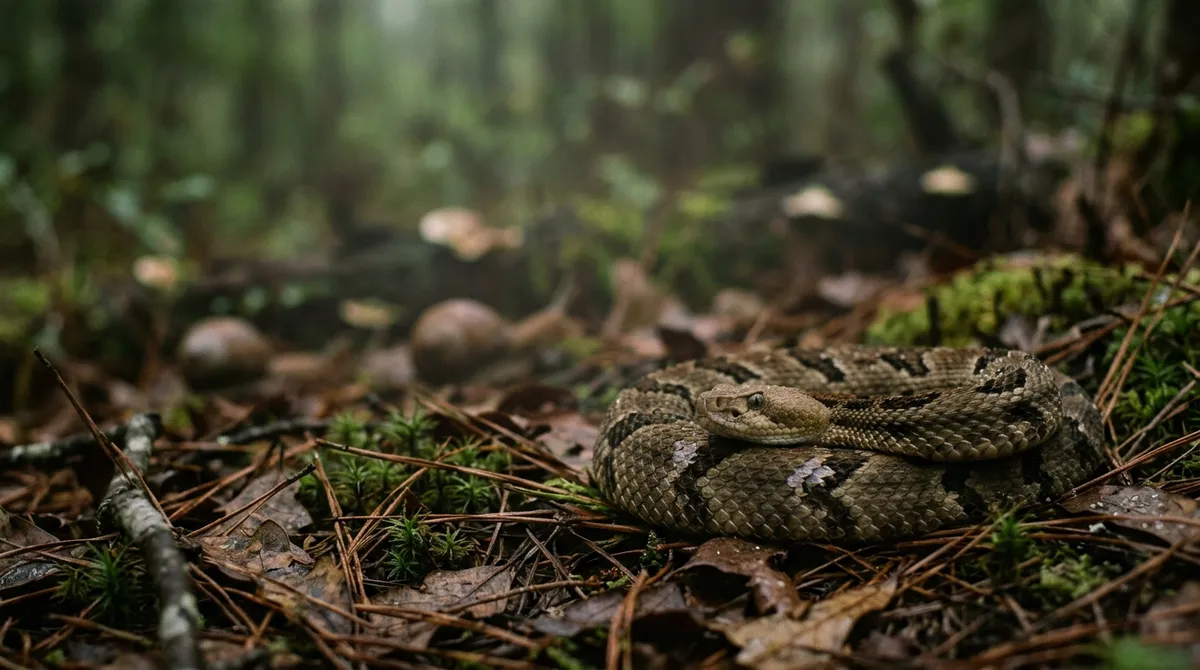
A comprehensive survey of more than 500 wild snakes across the southeastern United States has revealed alarming rates of disease among snake populations, with rattlesnakes showing particular vulnerability to both fungal infections and invasive parasites. According to reports, the research highlights disease as a potentially underestimated threat to snake conservation efforts.
The study found high rates of pathogens throughout the surveyed snake populations, with rattlesnakes facing especially severe challenges from snake fungal disease and an invasive parasitic lungworm. These findings come at a time when snake populations are already under significant pressure from habitat loss, human persecution, and increasing extinction risk.
Understanding Snake Fungal Disease
Snake fungal disease represents a growing concern for wildlife health experts. While the specific mechanisms of this condition require further study, the research indicates that certain species, particularly rattlesnakes, may have heightened susceptibility to fungal infections compared to other snake species.
The vulnerability of rattlesnakes to these pathogens raises important questions about species-specific disease resistance and the factors that make some snakes more susceptible than others. According to reports, the researchers emphasize that species differences play a crucial role in determining disease outcomes.
The Invasive Species Connection
One of the most concerning findings involves the presence of invasive parasitic lungworms in the surveyed snake populations. These parasites represent how invasive species can introduce new disease pressures to native wildlife populations, creating additional conservation challenges.
The study's findings suggest that invasive-host dynamics are becoming an increasingly important factor in wildlife disease ecology. As invasive species establish themselves in new environments, they can bring pathogens that native species have no evolutionary defense against, potentially creating cascading effects throughout entire ecosystems.
Multiple Threats Compound Conservation Challenges
Researchers found that coinfections—where animals are simultaneously affected by multiple pathogens—add another layer of complexity to snake conservation efforts. The interaction between different diseases can create more severe health impacts than individual infections alone.
Geographic factors also emerged as significant influences on disease patterns, suggesting that location-specific conservation strategies may be necessary. According to reports, the research team argues that geography plays a crucial role in determining which snake populations face the greatest disease risks.
Reframing Conservation Priorities
The research presents an opportunity to reframe how society views snake conservation. Rather than viewing these animals as dangerous pests, the findings position snakes as vulnerable indicators of ecosystem health. Their susceptibility to disease can serve as an early warning system for broader environmental problems.
Wildlife translocation—the practice of moving animals between habitats for conservation purposes—emerges as a potential concern in the study's implications. According to reports, such activities could inadvertently spread pathogens to new areas or populations, highlighting the need for careful disease screening in conservation programs.
Hidden Roles in Ecosystem Health
The conservation of unpopular animals like rattlesnakes extends beyond protecting individual species. These animals often play crucial but hidden roles in maintaining ecosystem balance, from controlling rodent populations to serving as prey for larger predators. Their decline due to disease could have far-reaching consequences for entire ecological communities.
As wildlife translocation programs, invasive species management, and pathogen spillover become increasingly prominent conservation concerns, understanding what snakes carry and their vulnerability to disease becomes more urgent. The research suggests that disease monitoring should become a standard component of snake conservation strategies.
Looking Forward
The findings underscore the need for integrated approaches to wildlife conservation that consider disease alongside traditional threats like habitat loss. As climate change and human activities continue to alter ecosystems, disease pressures on wildlife populations may intensify, making early detection and prevention strategies increasingly critical for species survival.
For rattlesnakes and other vulnerable snake species, addressing disease threats may prove as important as protecting habitat in ensuring their long-term conservation success.